
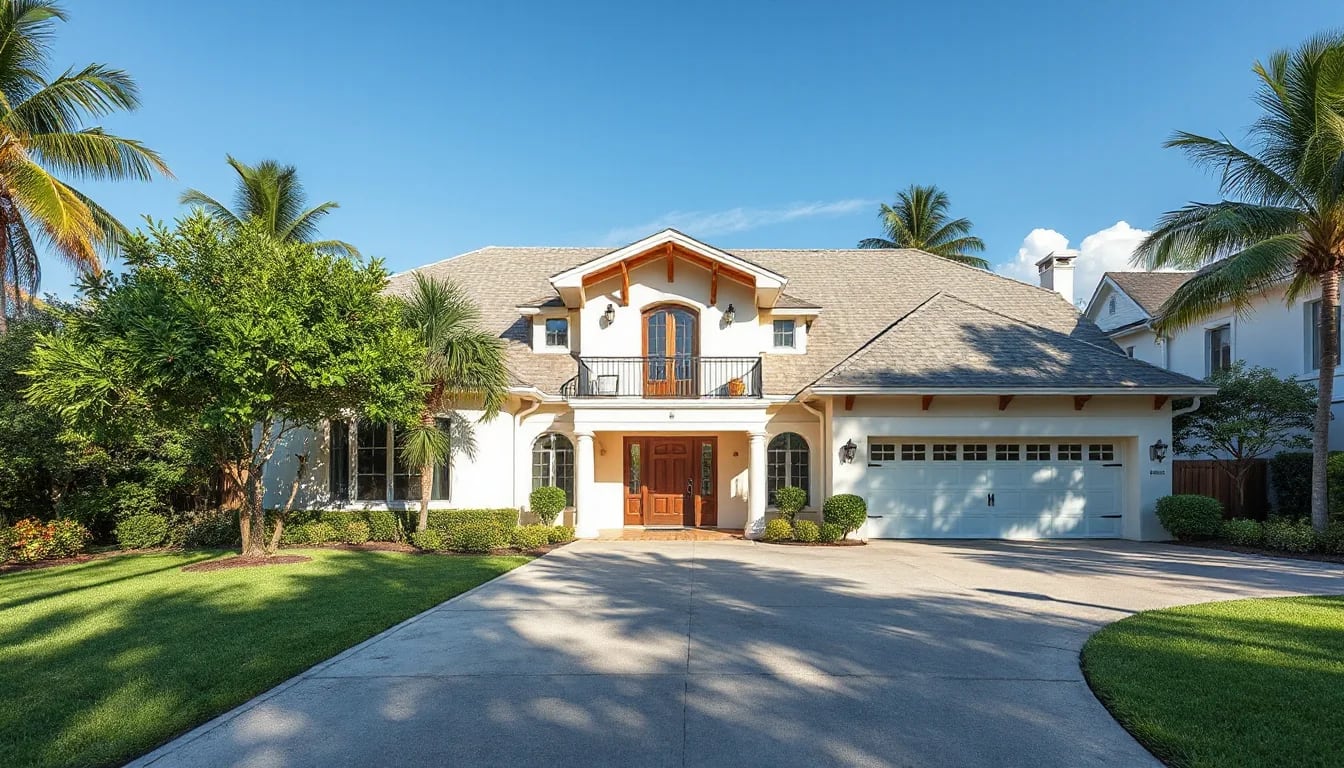
Coconut Grove investment property decisions are shaped by more than a desirable address: rental demand often follows walkability, condition, lease flexibility, building rules, and the cost of carrying a home through changing market cycles. A disciplined review of income potential, operating expenses, and resale appeal can help investors evaluate opportunities with clearer expectations. The strongest strategy is to match the property to a realistic rental plan before writing an offer.
Why Coconut Grove Draws Rental Interest
Coconut Grove has a distinct position within Miami’s residential landscape. Its mature tree canopy, waterfront setting, village-scale streets, public parks, marinas, cultural destinations, and access to central Miami create a combination that many renters actively seek. Demand is not limited to one property type, either. Condominiums, townhomes, renovated historic homes, newer single-family construction, and waterfront residences can each serve different segments of the rental market when pricing, furnishing, lease terms, and property condition align.

Location within the neighborhood matters. A residence near waterfront paths, parks, marinas, the village center, transit connections, or major routes may command attention for different reasons, but proximity alone does not guarantee performance. Renters also weigh parking, outdoor space, storage, elevator access, in-unit laundry, natural light, pet policies, and the practical condition of the home. In a market with many visually compelling listings, the details that make daily use easier can influence both showing activity and renewal decisions.
Rental demand can also vary by season, local employment patterns, relocations, and the supply of comparable homes available at the same time. Investors should avoid relying on a single high-season asking rent as a permanent benchmark. Instead, look at recent leased comparables, days on market, concessions, furnishings, square footage, and whether the competing homes are in materially different condition. A beautifully updated unit with an assigned parking space is not a direct comparison to an older unit with limited storage or different building amenities.
A rental estimate is most useful when it is built from recent closed leases and adjusted for the property’s actual condition, not simply from the highest active asking price online.
For homes purchased with an investment lens, versatility can be valuable. A layout that works well for a longer lease may have different operating requirements than a furnished, shorter-term strategy, and local rules or condominium documents may limit available options. Before calculating returns, confirm the leasing framework that applies to the exact property rather than assuming neighboring buildings follow the same standards.
The Features That Support a More Resilient Rental Plan
Successful rental properties usually solve practical problems well. In Coconut Grove, that may mean secure parking, a covered outdoor area, hurricane-impact windows, well-maintained mechanical systems, a functional kitchen, flexible bedroom arrangements, and appealing shared spaces in a condominium building. These are not merely cosmetic upgrades; they can affect maintenance expectations, insurance considerations, tenant appeal, and the ease of marketing the property between leases.
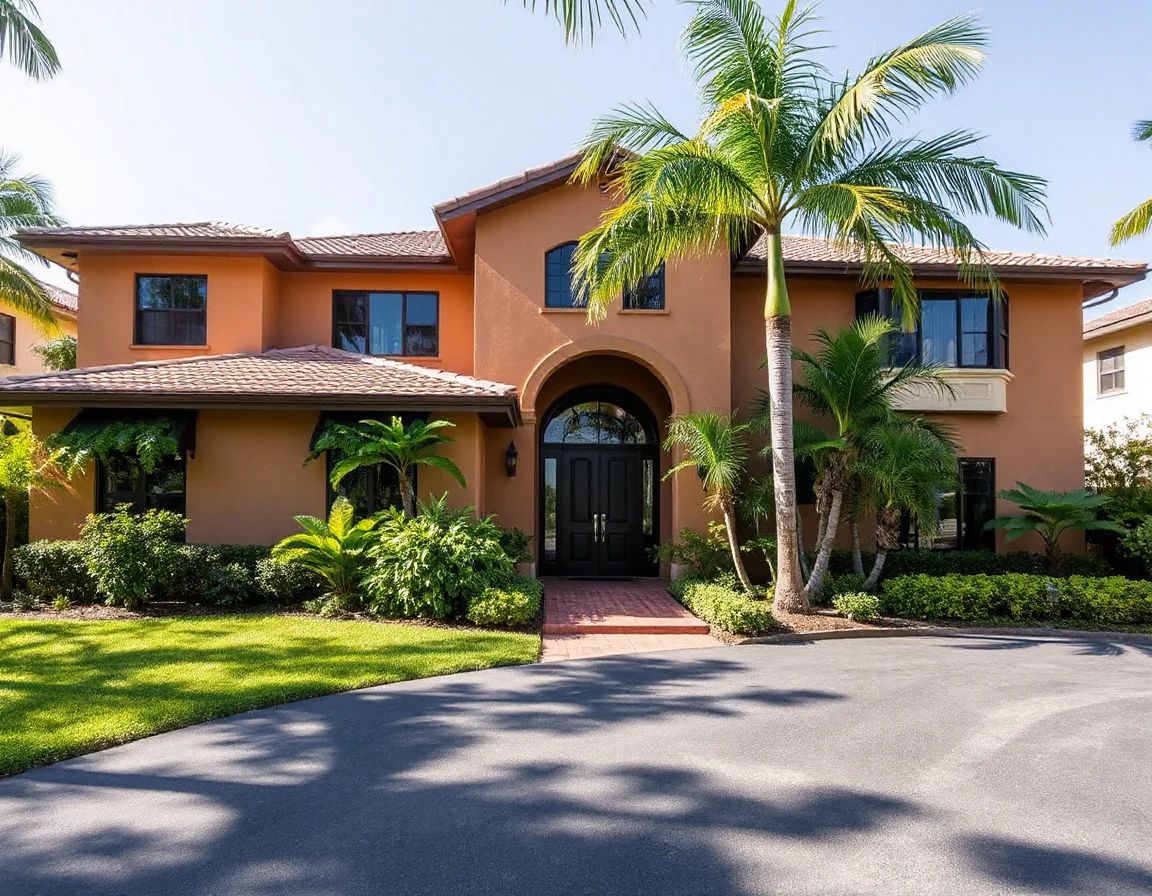
Condition is part of the income equation. Fresh paint and thoughtful staging may help a listing photograph well, but investors should look beyond presentation. Roof age, plumbing materials, electrical systems, drainage, window protection, appliance condition, air-conditioning maintenance, and landscaping obligations can all affect the annual cost of ownership. A lower acquisition price can lose its advantage quickly if deferred maintenance creates repeated expenses or disrupts occupancy.
Condominium buyers should read association documents with the same care they give a property inspection. Monthly assessments, reserve funding, pending repairs, rental minimums, approval processes, move-in fees, pet policies, parking allocations, and insurance responsibilities can materially change projected cash flow. The building’s rules may also determine whether a particular rental model is workable. Ask for written documentation and allow time to review it before the end of the due-diligence period.
For single-family homes, operating costs can be broader and more variable. Landscaping, pool service, pest control, irrigation, exterior maintenance, utility responsibility, and storm preparation should be anticipated in the budget. Some owners choose to include selected services in the rent to create a simpler resident experience, while others structure responsibility differently. Either approach should be reflected accurately in the pro forma rather than treated as an afterthought.
The best-performing plan is not always the one with the highest projected rent; it is often the one with manageable expenses, clear leasing rules, and fewer avoidable surprises.
How to Evaluate ROI Beyond the Headline Rent
Rental return calculations should begin with a conservative estimate of annual income and then account for the full ownership picture. Start with realistic rent, then subtract vacancy allowance, leasing costs, property management, association dues, insurance, property taxes, maintenance, utilities the owner pays, licensing or registration requirements where applicable, and reserves for future repairs. If the purchase involves financing, include the principal-and-interest payment and review how different interest-rate scenarios affect monthly cash flow.
Investors often use several measurements together: gross rent multiplier, capitalization rate, cash-on-cash return, debt-service coverage, and total return including potential appreciation. Each answers a slightly different question. Cap rate helps compare income before financing, while cash-on-cash return highlights how borrowed funds change the outcome. Neither metric is complete on its own. A property with a modest first-year cash yield may still have strong long-term appeal if it is well located, easy to maintain, and positioned for broad future resale demand.
Taxes and insurance deserve special attention in South Florida. The assessed value after a purchase may differ from the seller’s tax bill, and insurance quotes can vary based on construction, roof characteristics, wind mitigation, flood-zone considerations, deductible structure, and coverage choices. Obtain current figures early and speak with qualified insurance and tax professionals when necessary. Using last year’s seller-paid expenses without verification can make an otherwise careful analysis misleading.
Also consider liquidity. The same attributes that attract renters can help a property appeal to future buyers: a functional layout, maintained systems, a compelling setting, and access to the neighborhood’s amenities. However, resale is never guaranteed. A prudent investment plan allows room for changing interest rates, additional inventory, repair needs, and shifts in buyer preferences rather than depending on a specific appreciation outcome.
Due Diligence Before You Commit
A thorough offer strategy starts before the contract is signed. Review recent rentals and sales, visit the immediate block at more than one time of day, evaluate noise and access patterns, and compare the property with alternatives that a future renter might also consider. For condominiums, request governing documents, financial statements, meeting minutes, budgets, and information on assessments. For houses, obtain inspections that address the systems and site conditions most relevant to South Florida ownership.
It is equally important to clarify the operating model. Will the property be self-managed or professionally managed? Will it be unfurnished or furnished? Which utilities and services will be included? What reserve amount will be set aside each month? How will vacancy, lease turnover, and repair approvals be handled? Documenting these answers creates a more useful investment plan than a simple rent-minus-mortgage calculation.
InvesTeam Realty can help buyers evaluate Coconut Grove opportunities through a property-specific lens, balancing neighborhood context with the numbers that matter after closing. The goal is not to promise a certain return, but to identify the questions, costs, and lease considerations that deserve attention before capital is committed. In a neighborhood where character and convenience both influence demand, careful underwriting can turn a compelling home into a better-informed investment decision.