

Buying a condo in Key Biscayne means evaluating more than the residence and its water views. Association finances, building rules, insurance requirements, reserves, and the closing timeline can all shape the true cost and comfort of ownership. A methodical review before making an offer helps buyers move forward with clearer expectations.
Start With the Full Cost of Condo Ownership
Key Biscayne offers a distinctive mix of condominium residences, waterfront settings, beach access, village amenities, and convenient routes to Miami. That appeal also makes it especially important to look beyond the listing price. A condo purchase includes the home itself, but it also includes membership in an association that manages shared property, establishes operating rules, and collects regular assessments.
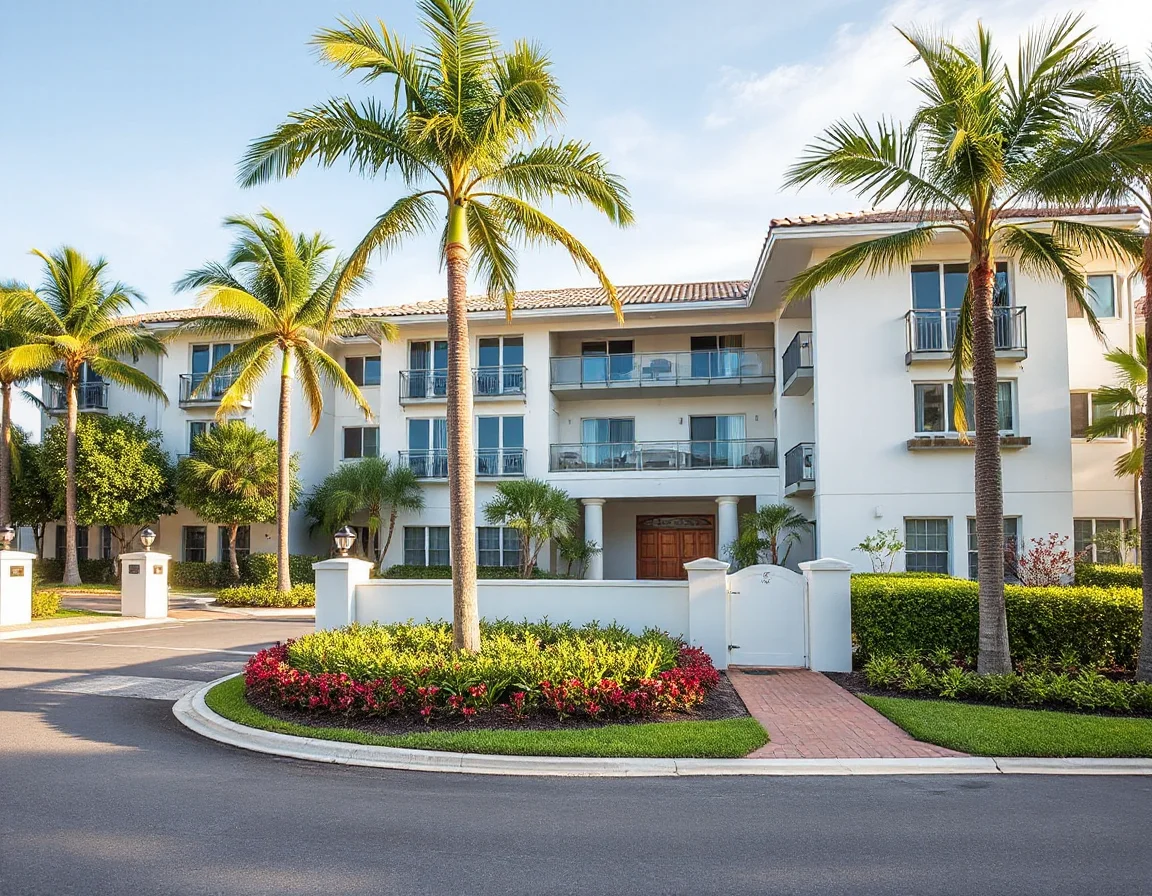
Monthly association fees deserve a close read. Depending on the building, dues may support staffing, landscaping, common-area maintenance, building insurance, elevators, pool care, fitness facilities, reserves, water, trash service, cable, or internet. The services included vary widely, so buyers should compare line items rather than assume two similarly priced condos carry similar ongoing costs.
Ask for the current association budget, recent financial statements, reserve information, and meeting minutes as early as possible. These documents can show whether expenses are rising, whether large repairs are anticipated, and how the association has handled maintenance planning. Older coastal buildings may have different capital needs than newer construction, and each community’s budget tells its own story.
The monthly fee is only one part of the picture: reserve funding, pending projects, insurance deductibles, and any special assessment history can materially affect a buyer’s budget.
It is also wise to build a realistic monthly ownership estimate before writing an offer. Include principal and interest, property taxes, association dues, homeowner insurance, possible flood insurance, utilities not covered by the association, parking costs if applicable, and a cushion for future maintenance. A lender can help estimate mortgage-related costs, while the association documents clarify the building-specific obligations.
Read the Association Documents Like a Road Map
Condo rules are not a minor detail; they are part of the ownership experience. The declaration, bylaws, rules and regulations, and application package typically describe how the community operates. They may address leasing, pets, renovations, use of common areas, move-in procedures, parking, storage, and exterior changes. A buyer should review these materials during the contract’s inspection or due-diligence period, with time to ask questions.
Rental provisions deserve particular attention for anyone considering future flexibility. Some associations limit the number of leases allowed each year, establish minimum lease terms, require tenant screening, or impose waiting periods after purchase. These policies can change, so rely on the current documents and written confirmation from the association instead of an older listing description or informal conversation.
Renovation requirements can also affect planning. A simple interior update may require an application, insurance certificates from contractors, approved work hours, elevator reservations, deposits, or architectural review. For larger projects, confirm what is permitted within the unit and what work affects common elements, plumbing stacks, windows, balconies, or building systems.
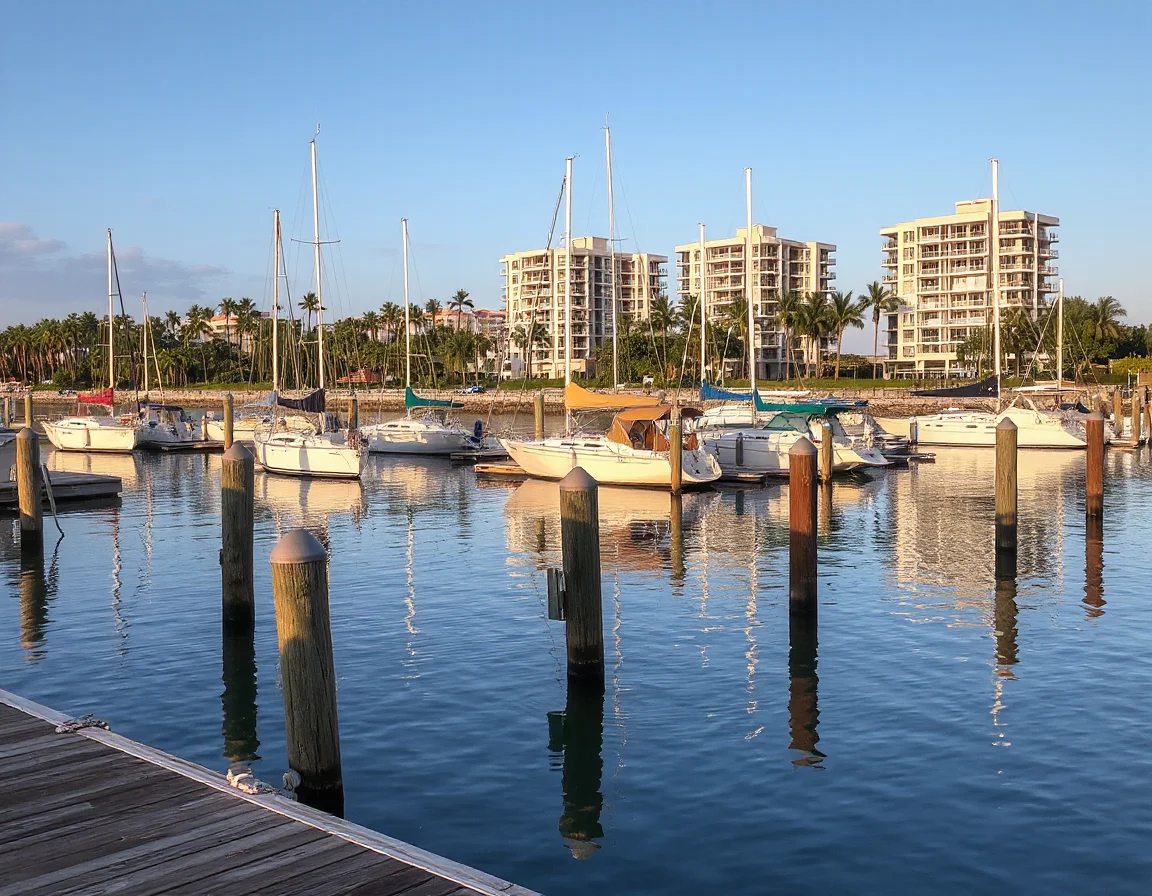
Association approval is another timing consideration. Many buildings require a completed purchase application after contract execution and before closing. Packages may request identification, financial information, references, signed acknowledgments, and application fees. Approval is not the same as a mortgage approval, so buyers should track both processes separately and submit a complete package promptly.
Questions worth asking the association or property manager include:
- What does the current monthly fee include, and when was it last adjusted?
- Are there active or proposed special assessments?
- What repairs, inspections, or capital projects are planned?
- How are reserves funded, and what does the latest budget show?
- What are the current lease, pet, renovation, and move-in rules?
- What insurance does the association carry, and what coverage must an owner obtain?
- How long does the purchase application review typically take?
A complete answer to these questions helps transform a building brochure into a practical ownership picture. It also gives buyers a better basis for comparing one Key Biscayne condo community with another.
Build a Closing Timeline That Leaves Room for Review
The purchase contract sets the framework, but condo closings have several parallel tracks. After an offer is accepted, buyers typically deposit earnest money according to the contract, begin inspections, provide lender documentation, order an appraisal if financing is involved, and start the association application. Coordinating these steps early can reduce last-minute surprises.
Inspection is a chance to evaluate the residence and to identify questions for the association. In addition to unit systems and finishes, buyers may want professional guidance on windows, balcony conditions, visible water intrusion, appliances, electrical panels, plumbing fixtures, and HVAC equipment. The inspection does not replace a review of building records, but it can help clarify the condition of the individual unit.
Allow time for both personal due diligence and building review. A well-organized contract period gives buyers an opportunity to assess the unit, association records, financing terms, and closing disclosures without rushing.
Financing a condominium can involve additional lender review. The lender may request the association’s questionnaire, budget, insurance certificate, delinquency data, reserve information, and project details. Some loan programs have specific condominium eligibility requirements, so it is useful to tell the lender the exact building name as soon as possible. Cash buyers should still plan for title work, document review, insurance decisions, association approval, and final settlement figures.
As closing approaches, the title company or closing agent will prepare settlement documents, coordinate payoff information where needed, and confirm the final amount required to close. Buyers should review the closing disclosure or settlement statement carefully, comparing it with their initial estimates and asking about any unfamiliar charge. Final walk-throughs are generally completed shortly before closing to confirm that the property is in the agreed condition and that included items remain in place.
Use Local Detail to Compare Opportunities
When comparing Key Biscayne condos, consider the building as carefully as the floor plan. Look at the location within the island, proximity to beaches, parks, marinas, village services, bridge access, parking configuration, views, amenities, age, renovation history, and association operations. These details can influence day-to-day use, carrying costs, resale considerations, and the timing of future projects.
A thoughtful purchase plan is not about finding a universally “best” building. It is about matching the property’s layout, budget, rules, condition, and location features with your own priorities. Reviewing documents before contingencies expire, keeping lender and association milestones visible, and using experienced local guidance can make the process more manageable from offer through closing.
With the right questions answered in writing, a Key Biscayne condo can be evaluated with confidence rather than guesswork. Focus on the numbers behind the monthly fee, the rules that govern the community, and the deadlines that guide the transaction—then move toward closing with a clear, well-documented plan.