

Aventura condo ownership can offer access to waterfront views, extensive building amenities, and a location near major South Florida destinations—but the purchase decision goes far beyond the listing price. Comparing association rules, monthly costs, reserve funding, and resale fundamentals before making an offer can help buyers choose a property that fits both present needs and future plans.
Start With the Full Monthly Ownership Picture
Condo listings in Aventura often highlight a view, a renovated kitchen, a balcony, or a building’s amenity package. Those features matter, but a thoughtful comparison starts with the complete monthly cost of ownership. In addition to principal and interest, buyers may need to account for association dues, property taxes, insurance, parking fees, utility charges, and any required club, marina, or amenity fees. Two residences with similar asking prices can have meaningfully different monthly carrying costs.
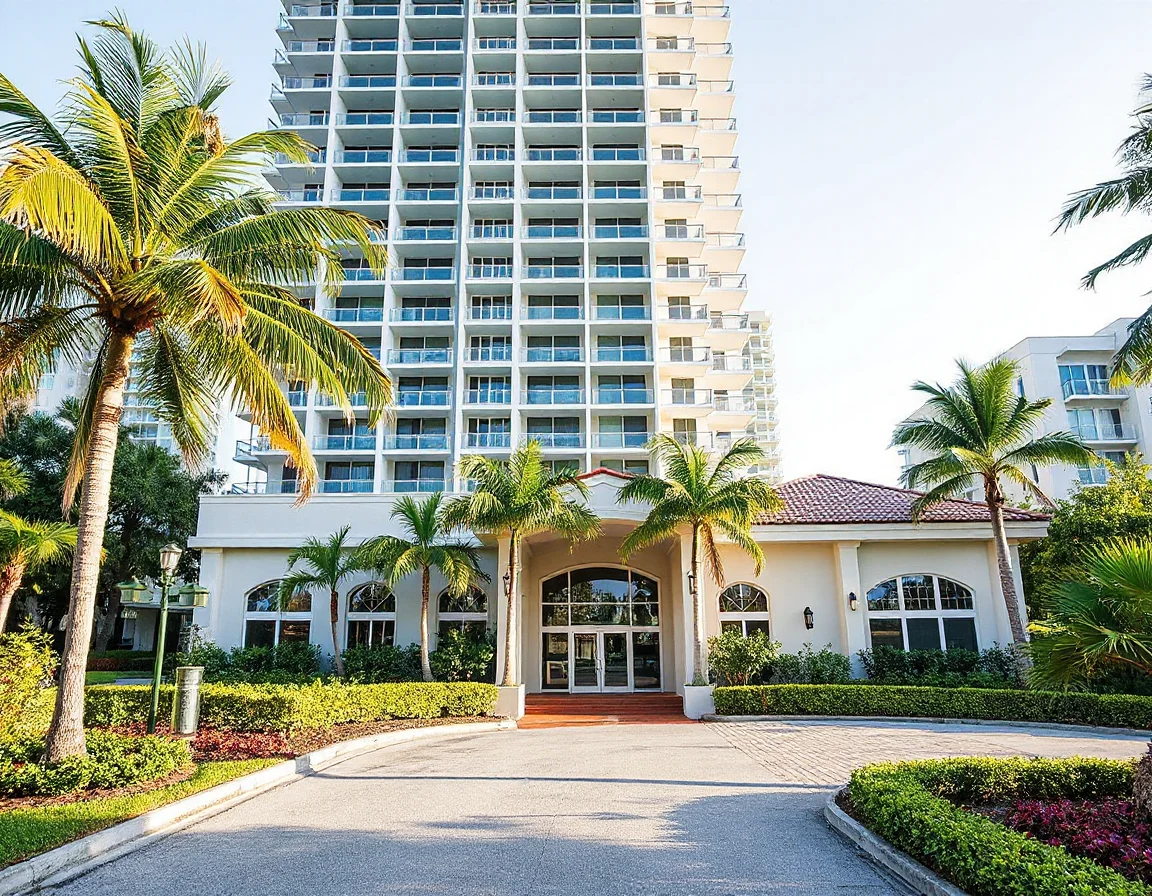
Association fees are not automatically a positive or negative signal. A higher fee may reflect staffing, building insurance, security systems, elevators, landscaping, reserves, utilities, fitness areas, pools, or maintenance of substantial common elements. A lower fee may mean fewer included services, but it can also mean that future costs have been deferred. The useful question is not simply, “What is the fee?” It is, “What does the fee cover, what condition is the property in, and what expenses could still be ahead?”
Ask for the current association budget and review the line items carefully. Look for recurring income, operating expenses, insurance, management, maintenance, reserve contributions, and any deficit. Clarify whether water, cable, internet, pest control, valet, or air-conditioning service is included. If a cost is not included in dues, estimate it separately so every building is being compared on the same basis.
The most useful comparison is a side-by-side monthly worksheet: purchase price, estimated financing, taxes, association dues, insurance, utilities, parking, and known assessments. It turns a beautiful listing into a decision you can evaluate clearly.
Financing can also affect the practical cost of a condo. Some lenders review the financial health of the association, its insurance coverage, litigation history, reserve practices, and owner-occupancy levels as part of the loan process. A conversation with a lender experienced in condominium financing can help buyers identify documentation requirements early rather than discovering them after contract.
Read Rules as Carefully as You Read the Floor Plan
Every association has governing documents, and the rules can shape the day-to-day experience as much as the residence itself. Before writing an offer, request the declaration, bylaws, rules and regulations, application package, recent meeting minutes, budget, financial statements, and notices of any current or proposed special assessments. Buyers should allow enough review time to understand these documents rather than treating them as paperwork to skim at the end.
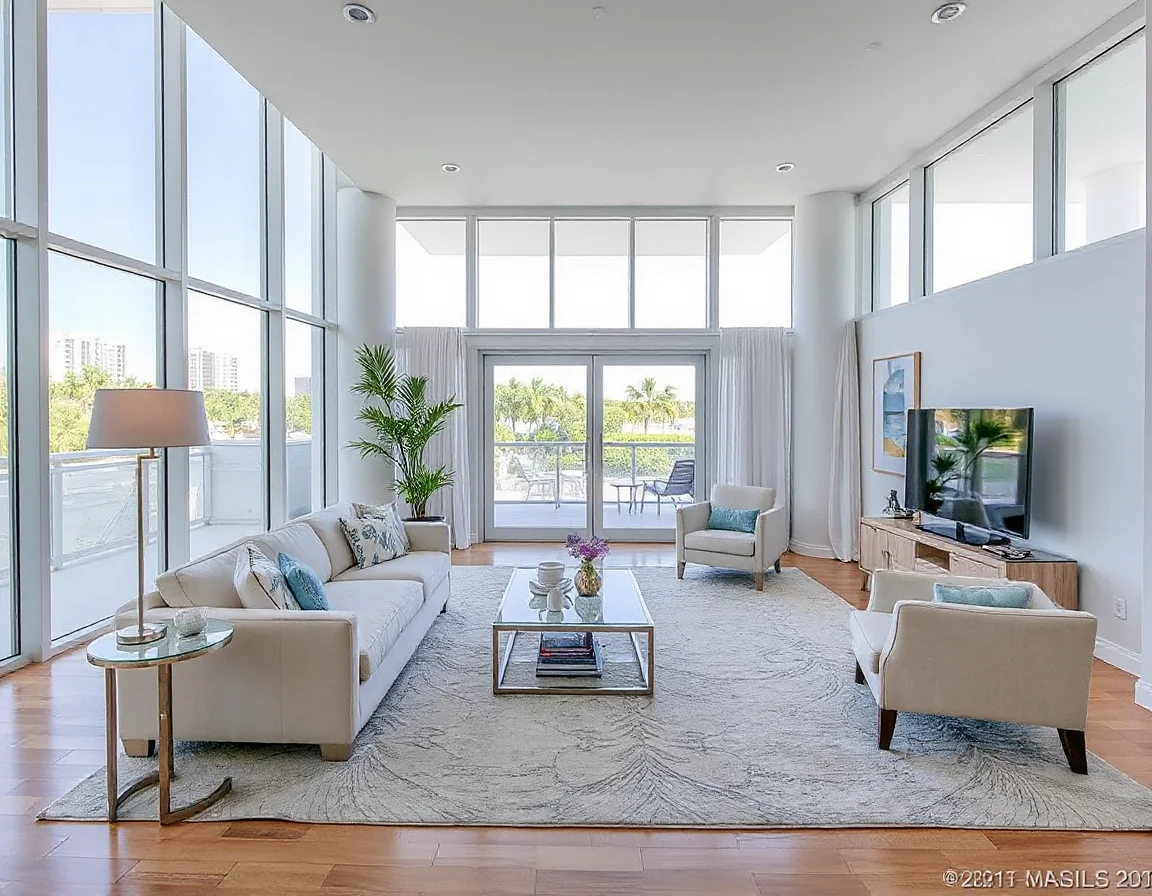
Rental policies deserve particular attention. Buildings may set minimum lease terms, limit the number of leases allowed in a period, require association approval, establish waiting periods after purchase, or restrict short-term rentals. These policies can influence both an owner’s flexibility and the building’s buyer pool at resale. If rental income is part of your plan, confirm the rules directly with the association or management office and obtain the answer in writing when possible.
Also review rules covering renovation work, move-in and move-out scheduling, balcony use, parking assignments, storage, electric-vehicle charging, package delivery, pets, and use of shared amenities. A renovation-friendly kitchen plan may sound straightforward until you learn about permitted work hours, contractor insurance requirements, elevator reservations, deposits, or approval timelines. None of these policies are necessarily a problem; they simply need to fit the way you expect to use the property.
Application procedures can vary considerably among buildings. Find out the expected processing period, required forms, interview procedures if applicable, deposits, and fees. A buyer who understands the timeline can structure due diligence, financing, and moving arrangements with fewer surprises.
Meeting minutes often provide the context a listing cannot: recurring maintenance concerns, upcoming projects, insurance discussions, vendor changes, and the questions owners are raising now.
It is equally important to distinguish between a rule and a rumor. Building policies can change, and online comments may be incomplete or outdated. Use the association’s current written materials and direct confirmation as the foundation for your decision. Your real estate professional, lender, attorney, and inspector can each help identify the right questions for the property under consideration.
Reserve Funding, Assessments, and Building Maintenance
Condominium ownership includes shared responsibility for common elements. Roof systems, elevators, exterior concrete, garage areas, plumbing infrastructure, pools, seawalls where applicable, mechanical equipment, and lobby or hallway improvements can all require substantial planning and funding. In South Florida, recent regulatory and insurance changes have made reserve funding and milestone-related inspections especially important topics for buyers to investigate.
A special assessment is an amount charged to unit owners beyond regular dues, typically for a major repair, capital project, insurance shortfall, or other unbudgeted need. An assessment is not automatically evidence of poor management; large buildings eventually need significant work, and a well-defined project can improve the property. Still, buyers should ask whether assessments are approved, proposed, under discussion, paid in full, financed, or assigned to the seller under the terms of a potential contract.
Review available reserve studies, engineering reports, inspection records, and board communications. Look for a clear understanding of completed work, projects in progress, expected future work, and the funding plan. If the documents are technical, it can be worthwhile to review them with qualified professionals. The objective is not to predict every future expense; it is to understand the condition of the building and how the association approaches long-term stewardship.
A building with consistent maintenance, transparent communication, and realistic budgeting can be easier for future buyers to evaluate. Conversely, uncertainty around large projects or incomplete information can affect buyer confidence, financing options, and negotiating dynamics when it is time to resell.
Compare Resale Factors Beyond the View
Resale value is shaped by a combination of the individual residence, the building, and the broader market. Within the same tower, floor height, orientation, water or city outlook, balcony size, parking, storage, layout efficiency, renovation quality, and natural light can influence demand. A well-executed update may add appeal, but buyers should weigh design choices against the price premium and the condition of less-visible systems such as windows, air conditioning, appliances, and plumbing.
At the building level, compare recent sales, active listings, pending contracts when available, average days on market, and price differences between original and renovated units. It is helpful to separate meaningful comparable sales from listings that simply share a ZIP code or bedroom count. A residence in a newer building with full-service amenities may compete differently from a similarly sized unit in an older waterfront property, even if both sit near the same roads and parks.
Location remains a central part of the equation. Aventura offers proximity to Biscayne Bay, the Turnberry Isle area, Aventura Mall, golf courses, public parks, medical services, and connections to Miami-Dade and Broward destinations. Buyers can consider their preferred access to these amenities alongside practical details such as traffic patterns, bridge routes, parking, and the time required for regular trips. Personal visits at different times of day can reveal how a location feels in real conditions.
Insurance is another resale consideration worth discussing early. Ask what master insurance coverage the association carries, whether deductibles could be allocated to owners under certain circumstances, and what individual unit coverage may be appropriate. Insurance costs and underwriting standards can change, so current documentation and advice from a licensed insurance professional are more useful than assumptions based on an older transaction.
Use a Consistent Condo Comparison Process
Buying an Aventura condo is easier to navigate when each candidate property is evaluated with the same set of questions. Create a simple scorecard for financials, rules, maintenance, location, unit condition, amenities, financing, and resale evidence. Include the documents received, unanswered questions, and deadlines for each building. This approach is especially valuable when several properties seem equally appealing during a showing.
- Monthly costs: What is included in association dues, and what remains separate?
- Financial health: Are budgets, reserves, insurance, and assessments clearly documented?
- Rules: Do lease, renovation, parking, pet, and amenity policies work for your plans?
- Building condition: What work has been completed, and what projects are anticipated?
- Resale evidence: How do recent comparable sales support the asking price and future marketability?
A well-informed purchase does not require finding a building with zero rules, zero fees, or zero future maintenance. It means selecting a property where the costs, governance, condition, and lifestyle features are clear enough for you to make a confident decision. With careful document review and local market guidance, buyers can focus on the details that make an Aventura condo feel like a sound fit today and a more understandable asset tomorrow.