
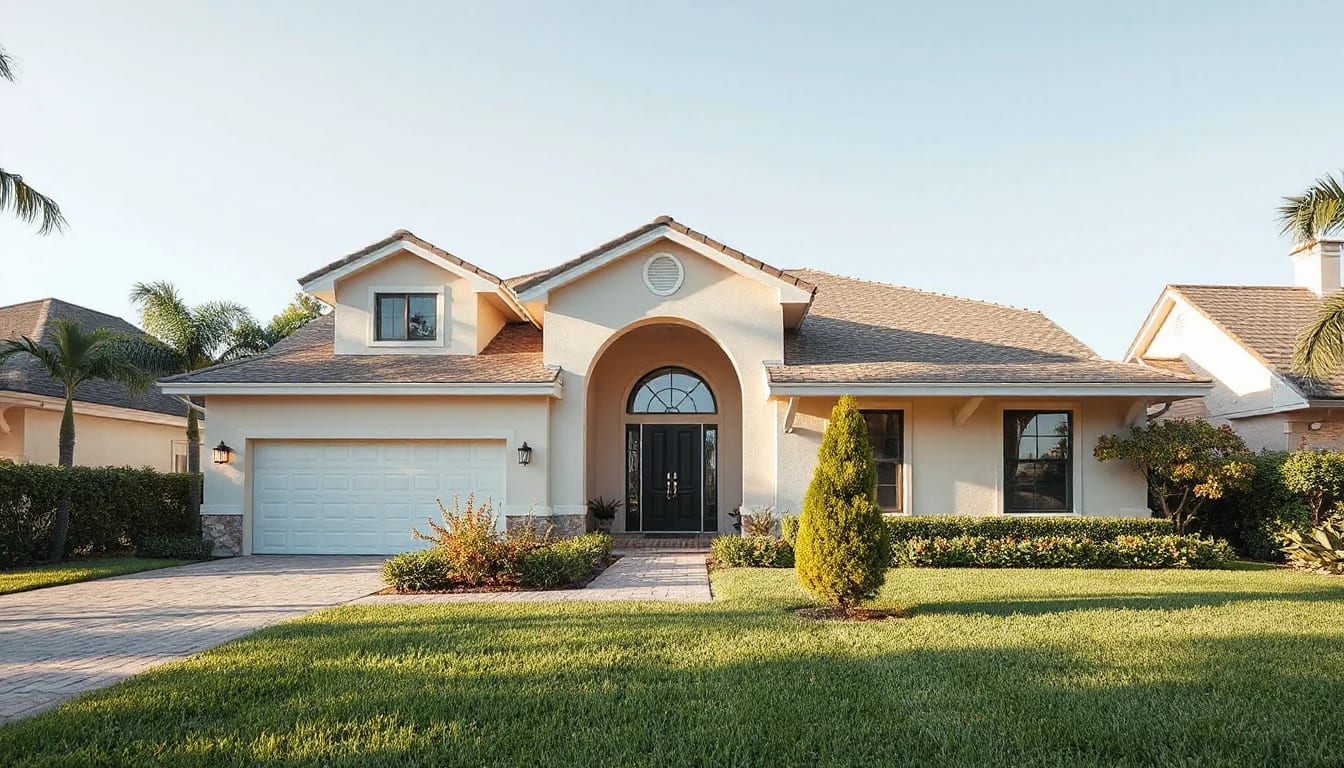
A South Miami rental property can offer a compelling mix of central location, established housing stock, and long-term resale considerations—but the numbers need to work beyond the purchase price. Evaluate likely rent, ownership costs, rental rules, and future buyer appeal before writing an offer. A disciplined review helps turn a promising listing into a more informed investment decision.
Start With the Rental Demand Behind the Address
Rental demand is not a single number, and it rarely looks identical from one South Miami block to the next. A practical evaluation starts with the property’s location relative to transportation, major roadways, employment centers, daily services, parks, and commercial corridors. Access to the South Miami Metrorail station and the US-1 corridor can be meaningful location factors, while walkable access to everyday destinations may influence how a property compares with competing rentals.
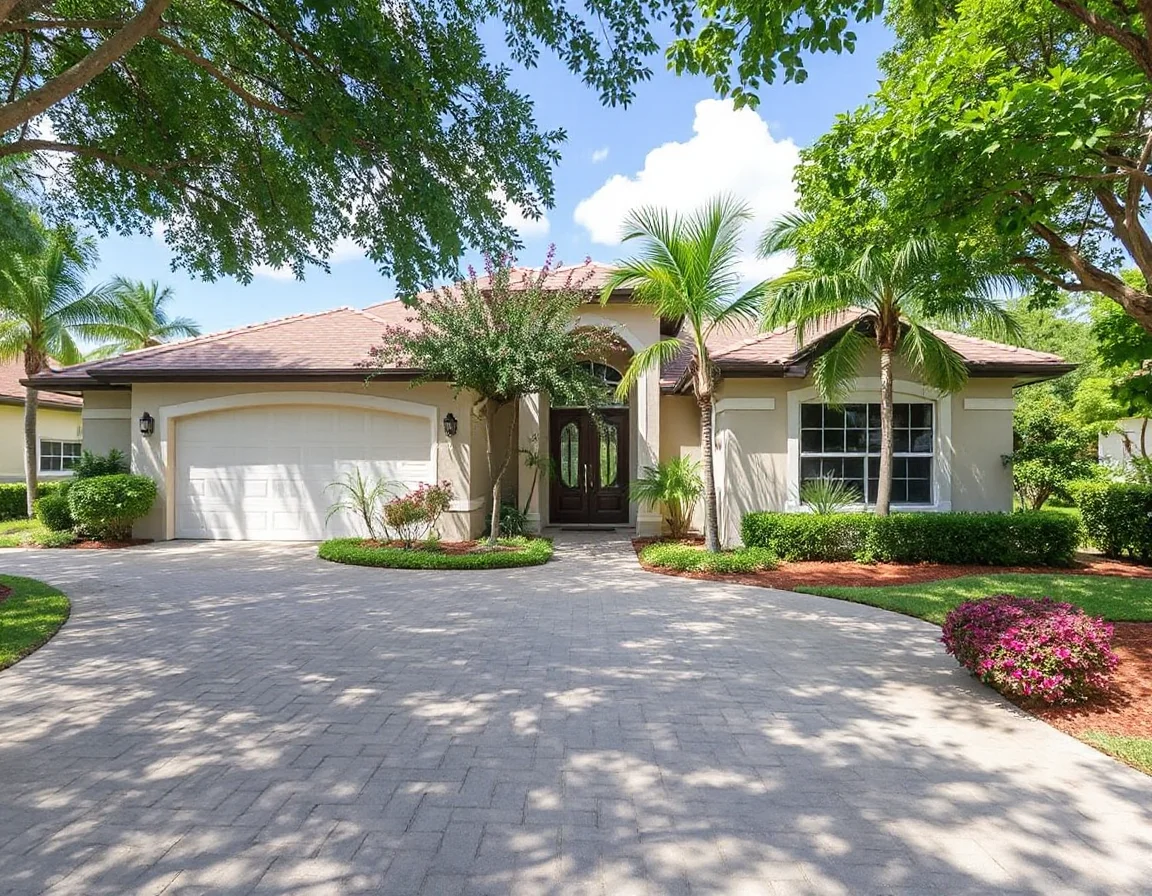
Then narrow the comparison set. A renovated two-bedroom condominium, a townhome with outdoor space, and a detached home may attract different renter interest and command different rent ranges even when they are close together. Look for recently leased properties with similar bedroom counts, square footage, condition, parking, pet policies, outdoor areas, and included utilities. Active listings are useful for understanding current competition, but closed or leased comparables are generally more helpful for testing what renters have actually accepted.
Seasonality also deserves attention. South Florida leasing activity can shift throughout the year, and a property that appears easy to rent in one month may require a different pricing approach later. Instead of relying on an advertised “market rent,” consider a conservative range: an achievable rent, a faster-lease rent, and a higher target rent that may take longer to secure. Build your initial analysis around the middle or lower end until current local data supports a stronger conclusion.
A rent estimate should account for time as well as price. One month of vacancy, a concession, or a mid-lease turnover can change annual results more than a small difference in monthly rent.
Property features influence demand as much as the map pin. In South Miami, renters may compare storage, parking configuration, in-unit laundry, hurricane-rated openings, outdoor maintenance responsibilities, internet availability, building access, and the condition of kitchens and baths. Functional layouts and well-maintained systems can help a listing compete, while dated finishes or unclear utility arrangements may require a pricing adjustment. Document these details before comparing rent projections.
Build a Realistic Cost Model, Not a Best-Case Projection
The purchase price is only the first line in an investment analysis. A complete operating budget should include property taxes, insurance, association dues where applicable, maintenance reserves, property management, leasing costs, utilities paid by the owner, landscaping, pest control, pool service, and periodic capital improvements. For condominium and townhome purchases, association documents can be especially important because rental restrictions, approval procedures, reserves, assessments, and fee changes may affect both cash flow and flexibility.
Insurance requires close attention in South Florida. Obtain property-specific quotes early rather than using a broad online estimate, particularly for older roofs, waterfront-adjacent locations, detached homes, and properties with prior claims or limited wind-mitigation features. A wind-mitigation inspection, four-point inspection, roof age, electrical panel, plumbing materials, and opening protection can all influence underwriting. If the property is located in a flood zone, include flood insurance in the review even when it is not required by a lender.

It is also wise to separate routine maintenance from capital expenses. Replacing an appliance or repairing a minor leak belongs in a normal maintenance allowance; a roof, HVAC system, sewer line, impact-window upgrade, or major building assessment is a different category. Review permits when available, ask about the age and service history of major systems, and budget for items that may come due during your intended holding period. A strong-looking cash-flow projection can weaken quickly if it excludes predictable deferred maintenance.
Financing changes the picture as well. Compare the property’s estimated net operating income with the expected debt service, but do not stop at the monthly payment. Factor in closing costs, lender reserves, rate adjustments if applicable, points, appraisal conditions, and the cost of maintaining liquidity after closing. Investors using leverage should stress-test their analysis with a lower rent assumption, higher insurance premium, and a period of vacancy.
Before relying on projected cash flow, test the property with higher insurance, a vacancy reserve, and a repair allowance. If the investment only works under perfect conditions, the margin may be too thin.
Local and association rules should be reviewed before committing to a rental strategy. Some communities have minimum lease terms, caps on the number of rentals, tenant application requirements, move-in deposits, or restrictions on short-term stays. Municipal requirements and state regulations can change, so verify current rules with the association, local government resources, and qualified legal or tax professionals. A property’s permitted use is just as important as its floor plan.
Consider Resale Value From the Next Buyer’s Perspective
Rental income matters during ownership, but resale value shapes the full investment outcome. The most resilient properties often have broad practical appeal: useful bedroom and bath counts, efficient layouts, reliable parking, good natural light, updated major systems, and a condition level that does not force the next owner to immediately plan extensive repairs. These are marketability factors, not guarantees, and their value should be tested against nearby sales rather than assumed.
Look closely at the relationship between the property and its immediate surroundings. Road noise, drainage, lot shape, easements, building orientation, recurring traffic patterns, and proximity to commercial or transportation infrastructure can affect both rental positioning and resale comparisons. Conversely, a well-kept exterior, usable outdoor area, mature landscaping, and a clear maintenance history may make a property easier to present when it is time to sell.
For condominiums, resale analysis should include the health of the association in addition to the individual unit. Review financial statements, budgets, reserve information, meeting minutes, insurance coverage, litigation disclosures, rental policies, and recent or planned assessments. Buyers and lenders may examine these documents closely, which means association governance and maintenance can influence future marketability. For detached homes, comparable sales, flood considerations, roof condition, and permitted improvements frequently deserve the same level of scrutiny.
A thoughtful renovation plan can support both leasing and resale, but it should fit the property’s price range. Durable flooring, refreshed lighting, a functional kitchen, updated bath fixtures, efficient appliances, and polished landscaping can improve presentation without overbuilding for the location. Keep invoices, warranties, permits, and service records organized; those details can support confidence for future buyers and simplify ownership in the meantime.
Use a Decision Framework Before Making an Offer
Before moving forward, summarize the opportunity on one page: purchase price, realistic rent range, estimated vacancy, annual operating expenses, debt service, cash reserves, known repairs, association rules, and likely resale considerations. Compare that summary with at least two alternatives, because the best investment is not always the property with the highest advertised rent or the most dramatic projected return.
South Miami can reward careful due diligence because location, building condition, insurance exposure, and rental rules can vary meaningfully from property to property. Verify the data, leave room for ownership surprises, and focus on an investment that remains workable under conservative assumptions. That approach creates a clearer path to stable operations today and a more confident resale decision later.