
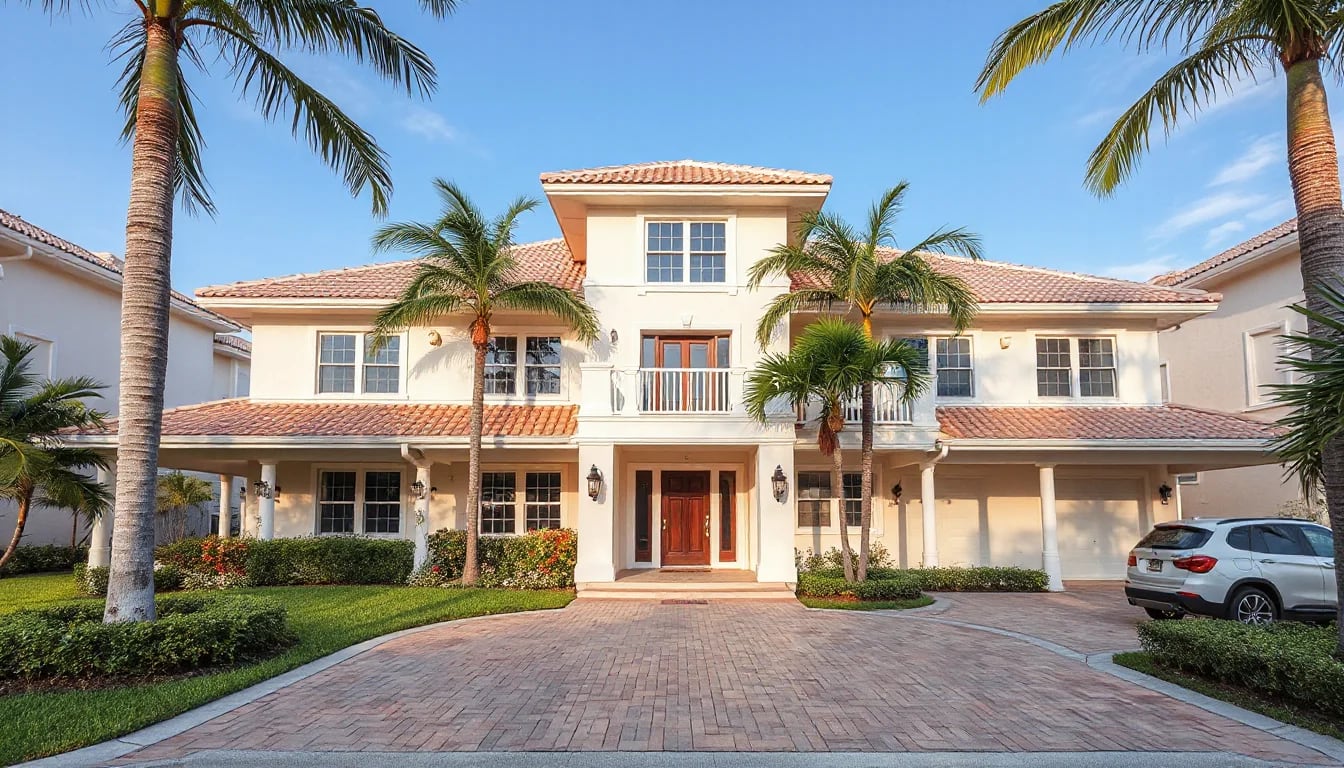
Condo ROI in Sunny Isles Beach rarely comes down to one number. The strongest outcomes usually depend on how monthly fees, building condition, buyer demand, financing considerations, and future resale appeal work together over time. If you are comparing units in the same tower or across several buildings, a closer look at these factors can reveal why one property may hold value better than another.
Why Condo ROI in Sunny Isles Beach Needs a Bigger Lens
It is easy to focus on purchase price and recent appreciation, but condo performance in a coastal market is more layered than that. A buyer looking at Sunny Isles Beach is often evaluating not just the unit itself, but also the building’s budget, reserve position, maintenance history, amenity package, and how that community competes with nearby inventory. For owners thinking ahead to resale, those details can shape carrying costs now and marketability later.
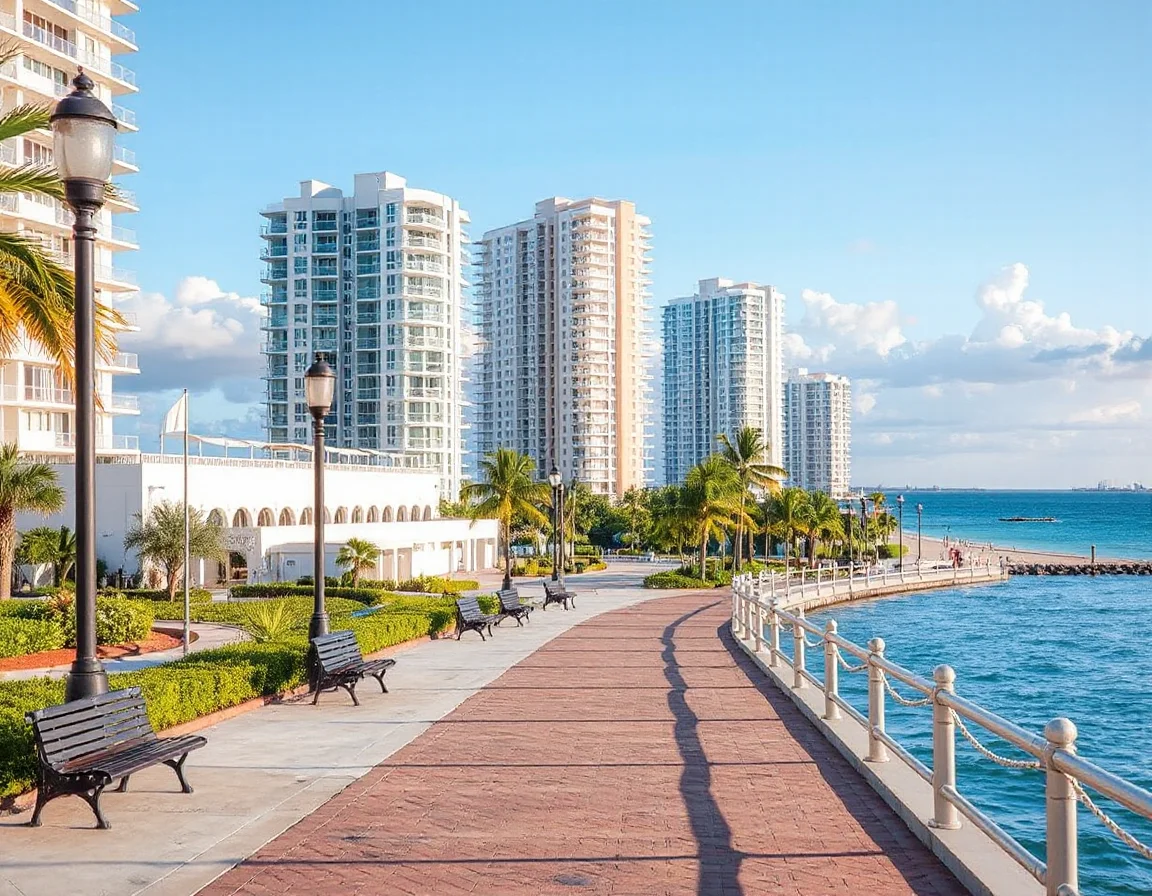
That is especially true in a location where oceanfront and intracoastal properties can vary widely by age, services, and renovation needs. One building may offer a lower entry price but higher monthly obligations, while another may command more upfront yet present a cleaner long-term ownership profile. Investors, second-home buyers, and primary residents all tend to notice the same practical question: what will this property cost to hold, and how attractive will it be when it is time to sell?
In a market with international visibility, luxury competition, and weather-related maintenance realities, ROI often comes from disciplined selection rather than chasing the flashiest listing. A well-positioned condo in a building with stable management and broad buyer appeal can outperform a unit that looks cheaper on paper but carries future friction in the form of special assessments, dated common areas, or financing hurdles.
When two condos have similar square footage and views, the building’s financial health can become the deciding factor in both monthly ownership experience and future resale leverage.
How Fees Affect the Real Return
Monthly condo fees are one of the biggest ROI variables in Sunny Isles Beach. Those charges can cover items that matter to buyers and future buyers alike: insurance, security, staff, amenities, maintenance, reserve contributions, and common-area upkeep. High fees are not automatically a negative if they correspond to meaningful services, well-kept property condition, and a building that consistently presents well in the market. The concern starts when fees rise faster than the building’s perceived value.
Reviewing fee structure with context is critical. A building with recently upgraded systems, healthy reserves, and strong maintenance planning may appear more expensive month to month, yet that predictability can support smoother ownership. By contrast, a lower-fee building that has deferred repairs may leave owners exposed to large future assessments, which can affect both cash flow and resale timing.
Buyers should also look at what the fee buys in practical terms. Valet, beach service, extensive amenity floors, multiple pools, and high staffing levels can support a luxury positioning in the marketplace, but those same features can narrow the pool of future buyers if total carrying costs drift too high. In other words, fees should be evaluated against target resale demand, not in isolation.
Search Sunny Isles Beach listings
Demand Drivers That Support Resale Strength
Demand in Sunny Isles Beach tends to be influenced by waterfront access, building reputation, view corridors, updated interiors, and the ease of ownership. Residences with practical layouts, strong natural light, modern kitchens and baths, and balconies that meaningfully connect to the view often stand out faster than units that rely only on square footage. Floor height, line orientation, parking convenience, and in-unit laundry can also have a measurable effect on buyer interest.
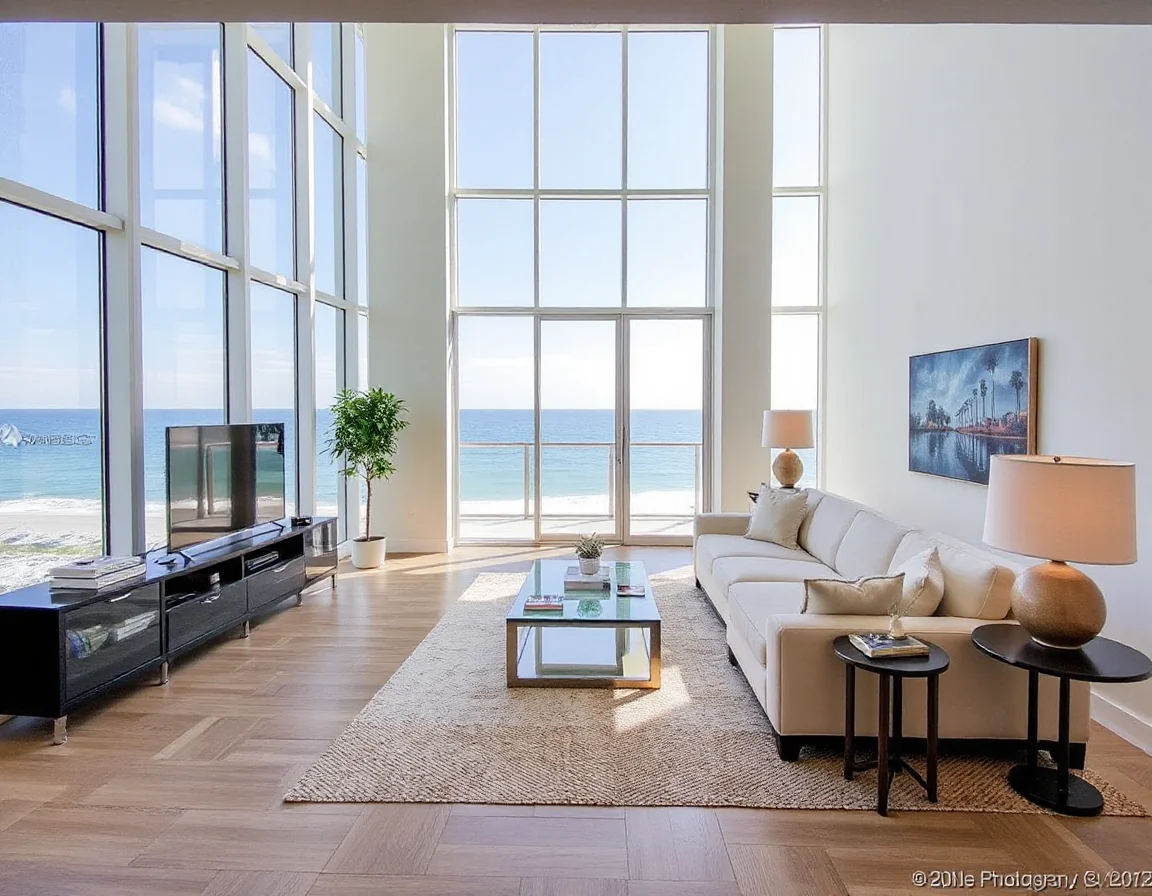
Another factor is how broadly a unit can appeal across the market. Highly customized finishes may impress some shoppers, but clean, updated, move-in-ready spaces often travel best at resale because they make it easier for buyers to understand the property’s value. Buildings with a recognizable level of service and a consistent standard of upkeep also tend to create confidence during showings and due diligence.
Location within the area matters too. Access to the beach, nearby retail corridors, major roads, and daily conveniences can support steady buyer attention. Properties that combine view, convenience, and building quality usually have more resilience when inventory rises. Even in a competitive cycle, those listings can maintain stronger positioning because they offer a more complete ownership package.
For owners planning improvements, the best updates are often the least flashy: flooring, lighting, paint, kitchen refreshes, bathroom updates, and smart storage. These are the changes that photograph well, show well, and help a property compete without over-improving for the building.
Updated interiors help, but buyers often make their final decision after comparing total monthly cost, lobby and amenity condition, and any signs of deferred maintenance in the building.
Resale Factors Buyers Often Underestimate
One of the most overlooked ROI issues is financing compatibility. Some buildings are easier to finance than others, and that can directly influence the future buyer pool. If lender requirements become more restrictive for a particular building due to reserves, litigation, insurance, or owner-occupancy patterns, resale can take longer and pricing flexibility may narrow. A condo with broad financing appeal can have an edge even when its list price is higher.
Another important detail is the age and presentation of common elements. Elevators, hallways, pool decks, exterior restoration, and lobby finishes all shape first impressions. Because condo buyers are purchasing into a shared environment, the route from parking area to front door matters almost as much as the kitchen countertops. Buildings that keep these spaces current often hold attention better when buyers compare multiple options in one afternoon.
Rental rules also deserve careful review. Even for someone not planning to lease immediately, future flexibility can matter. Minimum lease terms, waiting periods, and use restrictions can influence the next buyer’s decision and therefore affect resale depth. The same goes for pet rules, guest policies, and renovation procedures. Clear, workable guidelines are generally easier to market than cumbersome or highly restrictive policies.
A Practical Way to Compare One Condo to Another
When comparing options, a simple framework can help. Start with five buckets: purchase price, monthly fee, building financial condition, unit quality, and resale competitiveness. Then ask whether the property performs consistently across all five. A condo that ranks well in four areas and average in one may be a stronger buy than a cheaper alternative that struggles in three.
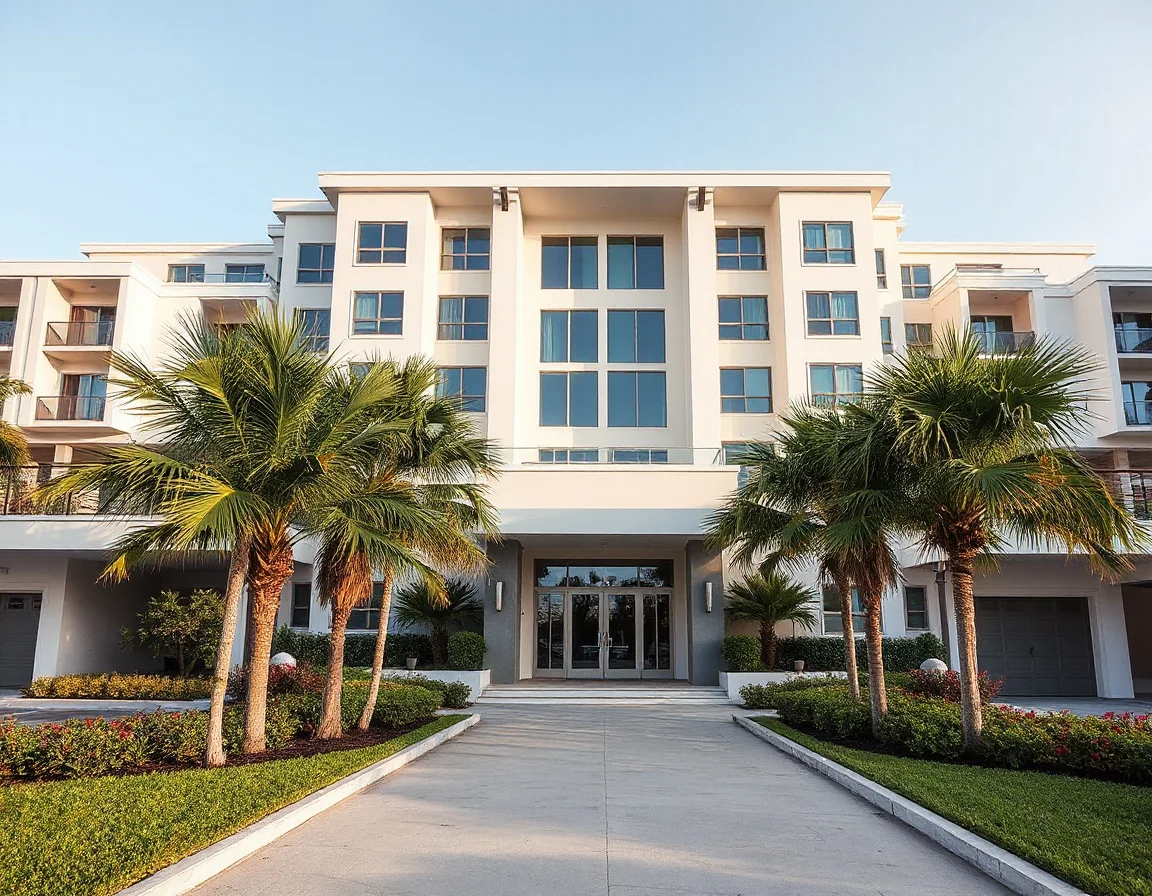
It can also help to compare a building not just against its nearest neighbor, but against the broader set of properties a future buyer might consider. If carrying costs are substantially higher, there should be a clear reason in the form of superior views, more refined amenities, stronger condition, or a more desirable ownership experience. If that reason is hard to explain, future buyers may hesitate as well.
Ultimately, condo ROI in Sunny Isles Beach is about more than appreciation headlines. Strong results usually come from selecting a property with manageable fees, a healthy building profile, durable demand drivers, and a resale story that will still make sense years from now. For buyers and owners alike, the most valuable question is not simply whether a condo looks attractive today, but whether the full ownership picture supports value tomorrow.