
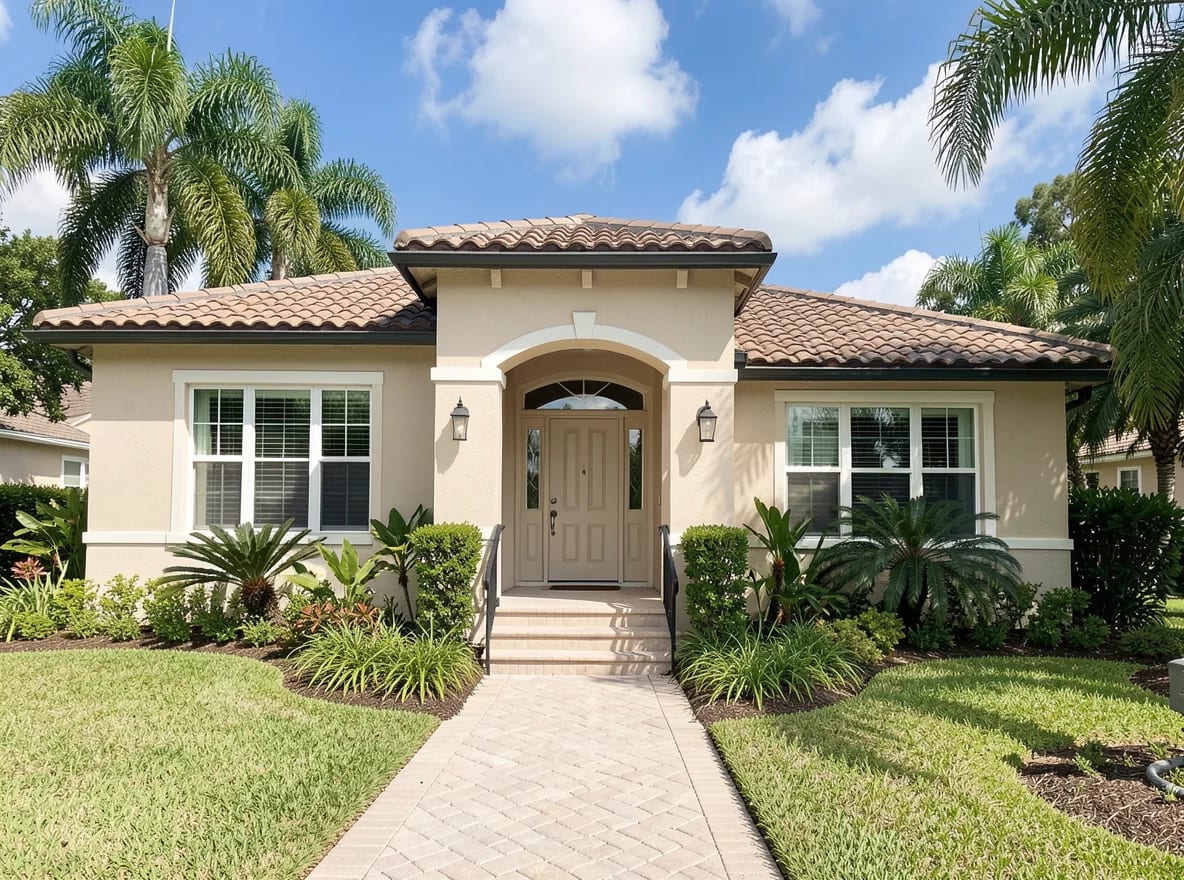
Buying your first home in West Palm Beach is easier to navigate when you know what happens before and after an offer is accepted. From mortgage preapproval to insurance, inspections, and closing day, this guide explains the decisions and costs to plan for along the way.
Start With a Budget and Mortgage Preapproval
Before falling in love with a sunny patio or a condo near the waterfront, take a close look at what you can comfortably spend each month. Your mortgage payment is only part of the picture: property taxes, insurance, association dues, maintenance, and utilities can all affect the cost of owning a home in West Palm Beach.
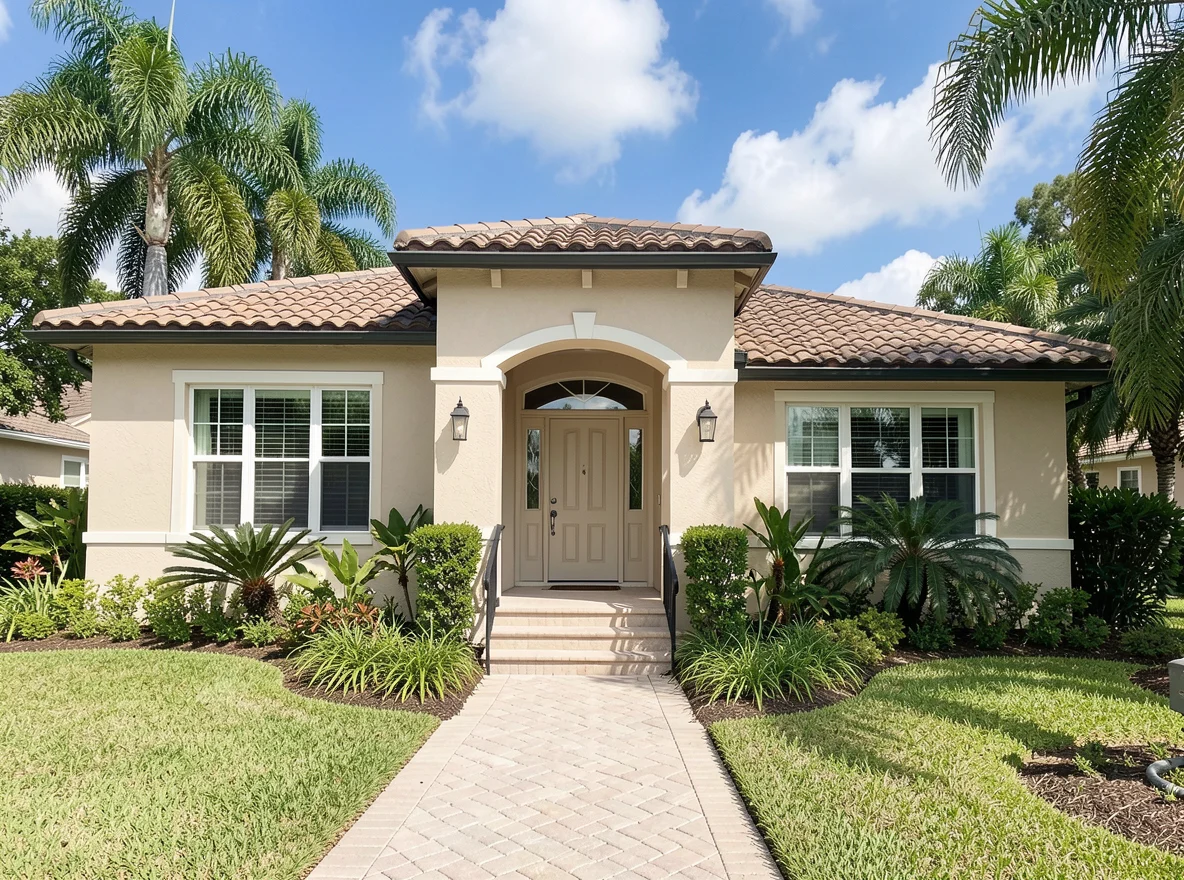
A lender can review your income, debts, credit, and available funds to determine whether you may qualify for a mortgage. Gather recent pay statements, bank statements, tax documents, and identification, and ask what else the lender needs. A preapproval letter can help you shop with a clearer price range and show a seller that you have begun the financing process.
Compare loan options and estimates from more than one lender. Ask about interest rates, mortgage insurance, down payment requirements, fees, and whether any assistance programs may be available to you. Preapproval is not a final loan commitment: the lender will continue verifying your finances and evaluating the property after you go under contract.
A comfortable purchase price depends on more than your down payment. Get estimates for insurance, taxes, association fees, and closing costs before deciding what monthly payment works for you.
It is also wise to preserve funds for moving, immediate repairs, and unexpected expenses after closing. If you are comparing properties at the top of your budget, ask your lender to calculate a payment using each property’s estimated taxes, insurance, and applicable dues rather than relying on the asking price alone.
Choose Your Search Priorities
West Palm Beach offers a range of housing styles, from detached homes to townhomes and condominiums. Begin by separating essentials from preferences: consider the number of bedrooms, outdoor space, parking, commute, and proximity to the places you visit regularly. Think about how much maintenance you want to handle and whether shared amenities are worth an association fee.
The city’s waterfront, parks, cultural venues, and dining areas can shape a home search in different ways. Visit at different times of day and make your usual trips from a prospective address. If schools matter to your decision, verify attendance boundaries and current information directly with the school district; assignments can change and should not be assumed from a listing.
When reviewing listings, compare more than the photos. Look at property condition, age, lot or unit details, asking price, time on the market, and what is included in any monthly dues. An agent can help you review recent comparable sales and understand how a particular property is positioned, but conditions can vary by location and property type.
Search West Palm Beach listings
Tour Homes With Ownership in Mind
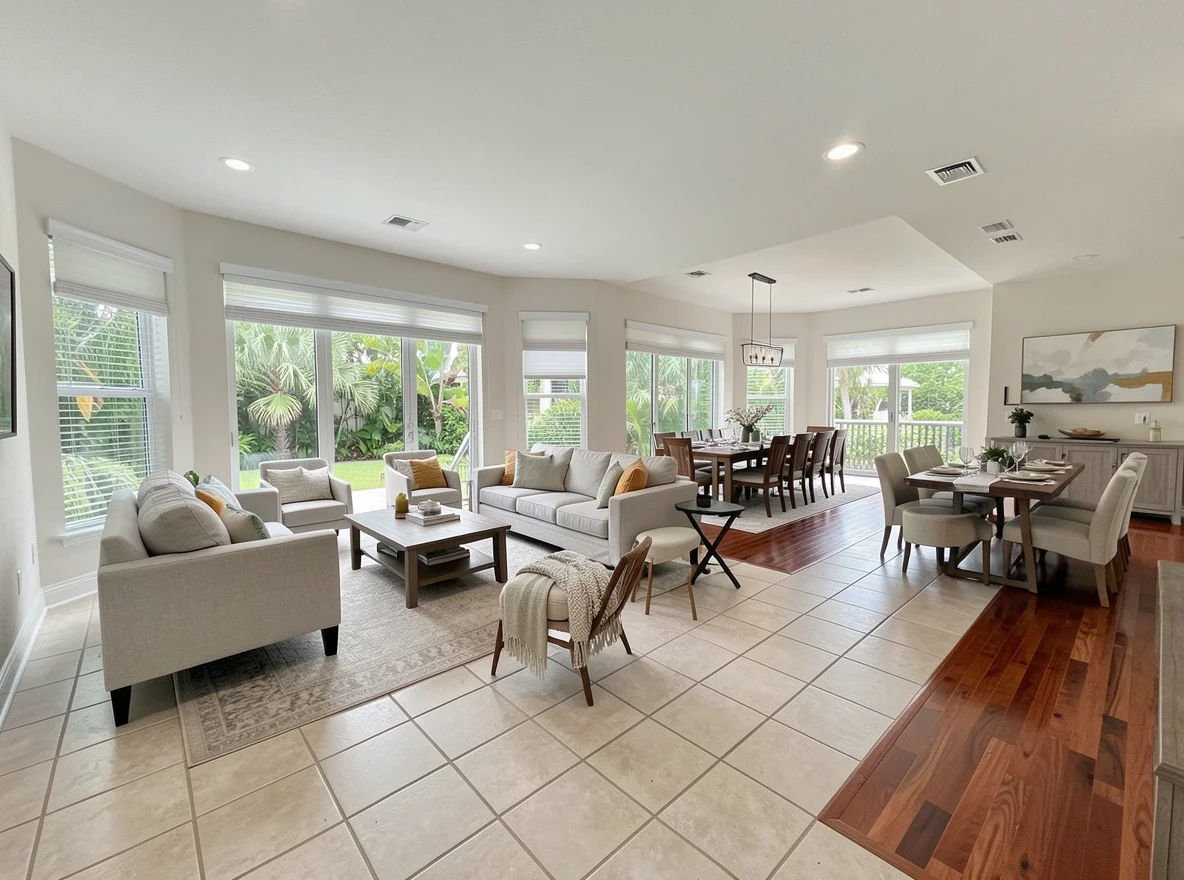
On a showing, notice how the layout works for your daily routine, but also look beyond finishes. Ask about the age and condition of the roof, air conditioning, plumbing, electrical system, and windows. Visible wear does not necessarily rule out a home, but it can help you identify questions for your inspector and insurance provider.
For a condo or a home in a homeowners association, request the governing documents, budget, rules, and available information about reserves and special assessments. Review what the association insures and maintains, as well as any approval requirements or restrictions that could affect your plans. Your lender should also confirm whether the property and association meet its financing requirements.
Insurance deserves early attention in South Florida. Ask an insurance professional for property-specific quotes and discuss windstorm coverage, deductibles, and whether separate flood insurance is required or advisable. A home’s location, construction, roof, and other characteristics can affect availability and cost. Do not assume the seller’s premium will be yours.
Property taxes also warrant a fresh estimate. The seller’s current bill may reflect exemptions or an assessed value that will not carry over to you after a sale. Consult the Palm Beach County Property Appraiser and your lender or tax professional for an estimate based on your circumstances.
Make an Offer and Understand the Contract
Once you find a home that fits, your agent can help prepare an offer based on comparable sales, the property’s condition, your budget, and current competition. Price matters, but so do the deposit, financing terms, inspection provisions, closing date, and any requested repairs or seller contributions.
Read the proposed contract carefully before signing. Pay particular attention to deadlines for depositing funds, completing inspections, obtaining financing, and exercising any contractual rights. These terms are negotiable and depend on the agreement you sign; ask your agent or a Florida real estate attorney to explain anything that is unclear.
Put every contract deadline on your calendar as soon as the offer is accepted. Inspection and financing protections can depend on acting within the time allowed by your agreement.
If the seller counters, review the entire response rather than focusing only on the price. A changed closing date or a shorter inspection period can affect your plans and your ability to investigate the property. Once both parties agree to the terms, the transaction moves into the due diligence and financing phase.
Complete Inspections, Financing, and Title Review
Schedule a professional inspection promptly. Depending on the property, you may also want to discuss a roof inspection, wind mitigation inspection, pest inspection, or other specialized evaluations. Review the findings with the inspector, then decide how to proceed under your contract. Repairs, credits, or other changes may be negotiated, but they are not guaranteed.
Your lender will arrange the steps needed to finalize the loan, which may include an appraisal. The appraisal is different from an inspection: it assesses value for lending purposes rather than providing a detailed evaluation of the home’s condition. If the appraisal is lower than expected, discuss the available options with your lender and agent, taking your contract terms into account.
Meanwhile, the title company or closing attorney will typically review title and prepare for closing. Ask about title insurance, survey needs, outstanding liens, and any questions raised by the title work. Continue responding quickly to lender requests, and avoid major financial changes, such as taking on new debt, without first discussing them with your lender.
Prepare for Closing Day
Before closing, review your final figures and compare them with earlier loan estimates. For most mortgages, the lender must provide a Closing Disclosure at least three business days before closing. Check the loan terms, cash needed, and itemized charges, and ask the lender or closing professional about anything you do not understand.
Arrange insurance coverage as required, confirm how closing funds must be delivered, and independently verify wiring instructions using a trusted phone number. A final walkthrough shortly before closing gives you an opportunity to check the property’s condition and confirm that agreed-upon items remain in place. Raise concerns before signing.
At closing, you will sign the required documents and provide the remaining funds. Once the transaction is completed and possession is delivered according to the agreement, you can begin the next chapter in your new home. With a clear budget, careful document review, and a team you trust, each step from preapproval to keys becomes more manageable.