
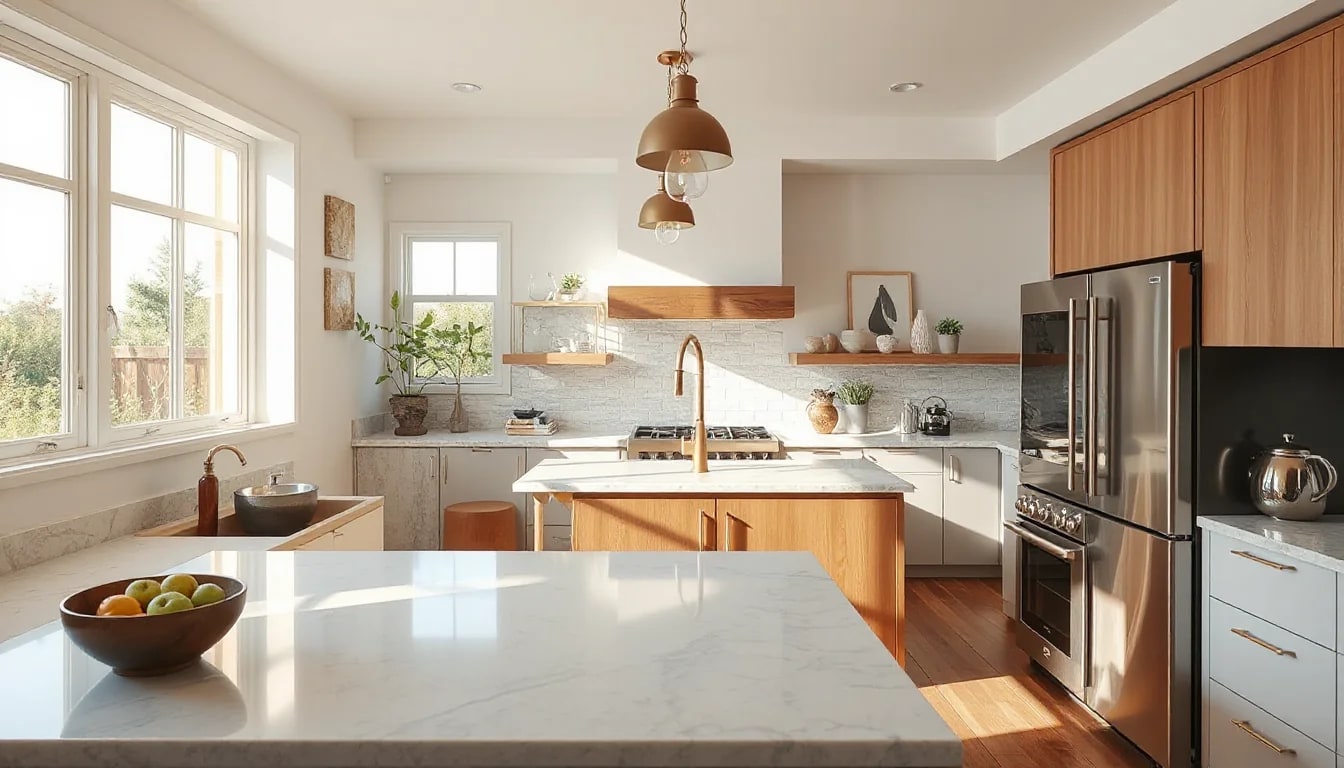
A kitchen update does not need to mean a full demolition to make a meaningful difference. In Miramar, Florida, the most effective improvements tend to pair everyday usability with a clean, cohesive finish that helps buyers understand the home’s care and potential. Start with the features used every day, then invest where durability, storage, lighting, and visual continuity meet.
Begin With How the Kitchen Works
Before choosing a cabinet color or countertop sample, take an honest look at the kitchen’s daily flow. Notice where preparation feels cramped, where small appliances collect, and whether frequently used items have practical homes. A well-planned upgrade can make a kitchen feel more comfortable without changing its footprint, especially when the work focuses on clear pathways, useful storage, durable surfaces, and lighting that supports different tasks.
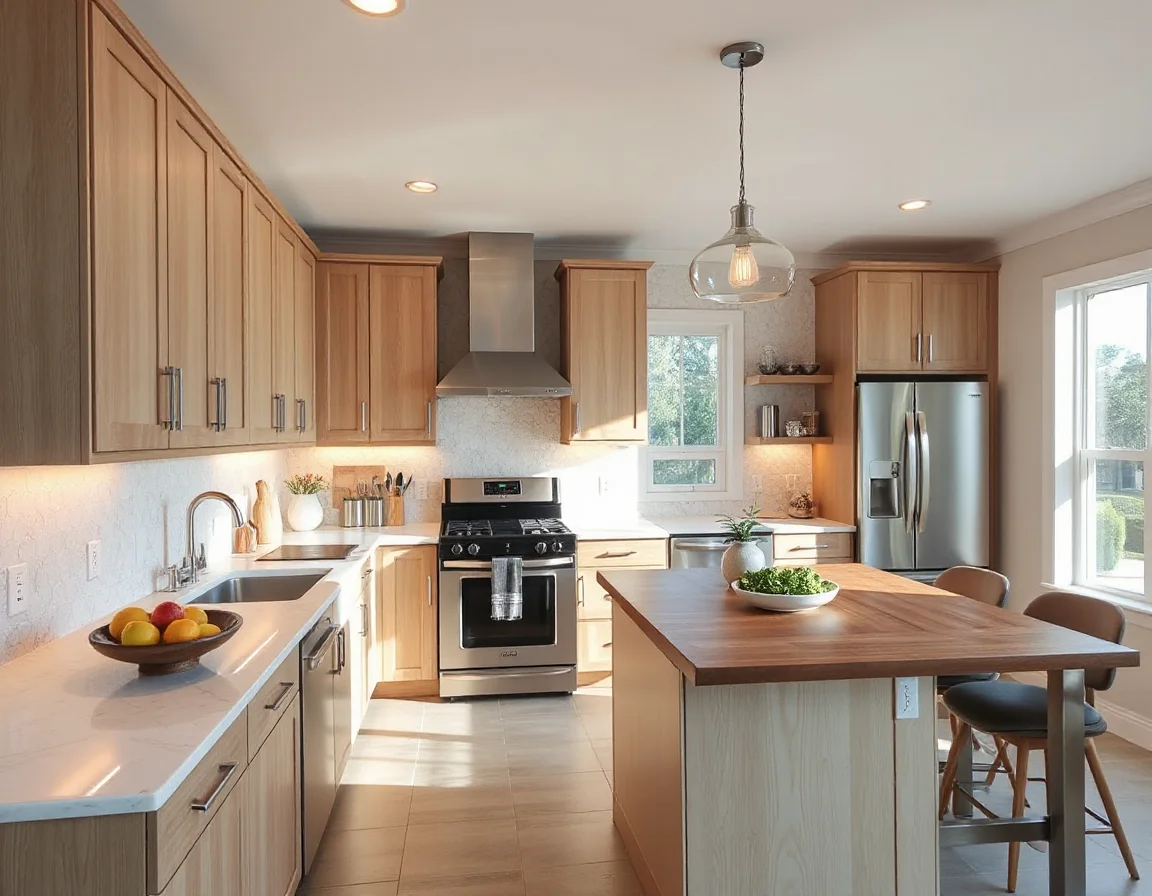
Storage is often the highest-impact starting point. Deep drawers for pots, pull-out shelving in lower cabinets, a dedicated recycling area, and a pantry system can reduce countertop clutter while making the room easier to use. Even modest changes, such as replacing a difficult corner cabinet with accessible pull-out storage, can make the space feel more intentional. When cabinet boxes are in solid condition, refinishing doors or replacing dated hardware may offer a polished update without the cost of a complete replacement.
Countertop workspace deserves the same attention. Look for a clear landing area near the refrigerator, sink, and cooking surface. A compact island or movable worktable may help in a kitchen with open floor space, while a peninsula can create additional prep room and seating where the layout allows. Any change should preserve comfortable circulation, avoid blocking appliance doors, and account for outlet placement before construction begins.
Buyers often notice the practical details during a showing: drawers that glide smoothly, cabinet doors that align, counters that are clear, and lighting that makes the room easy to read at a glance.
For a renovation involving plumbing, electrical work, structural changes, or altered ventilation, consult qualified local professionals and confirm current permit requirements. If the property is within a community association, review applicable architectural or renovation guidelines as well. Planning these details early can reduce last-minute changes and help keep the project on a predictable timeline.
Choose Materials That Look Cohesive and Hold Up to Use
Finishes should support the way the kitchen is used while creating a unified impression. Quartz remains a common choice for its broad range of colors and relatively straightforward maintenance, while natural stone can offer distinctive movement and character with a maintenance routine that fits the material. Durable laminate and solid-surface options can also look refined when paired with thoughtful edge details, backsplash selections, and well-fitted cabinetry.
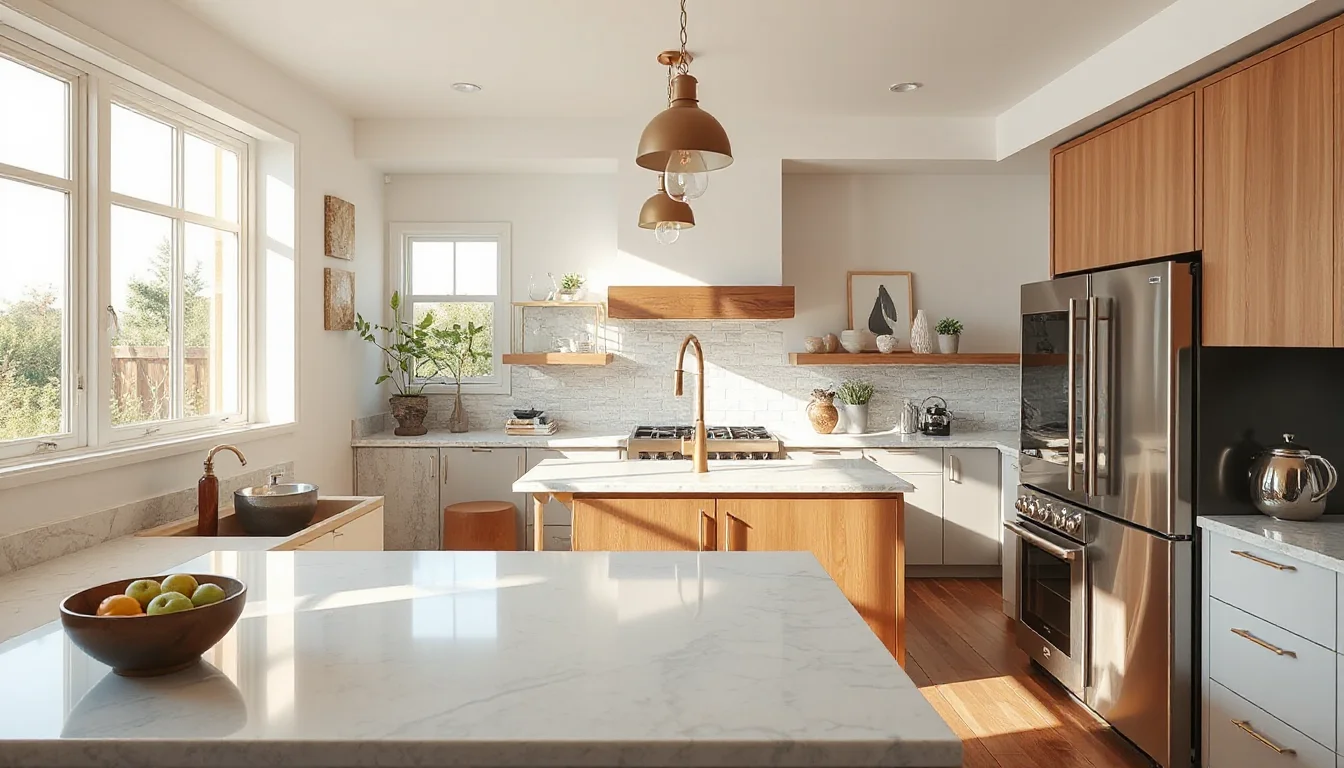
A restrained palette can make decision-making easier. For example, warm white or light neutral cabinetry, a countertop with subtle variation, and a simple backsplash create flexibility without looking unfinished. Rather than selecting every element independently, gather cabinet, counter, flooring, paint, and hardware samples together in the room. Natural daylight and evening lighting can change how undertones appear, so check samples at more than one time of day.
Flooring should be evaluated for moisture resistance, maintenance, transitions to adjacent rooms, and visual continuity. Large-format porcelain tile, quality luxury vinyl, and engineered wood each have different strengths. The right choice is not necessarily the most expensive one; it is the material that suits the home, is installed carefully, and complements nearby spaces. If only the kitchen floor is being replaced, choose a transition that feels deliberate rather than abrupt.
Appliances are another area where coordination matters. A matched suite can create visual consistency, but performance and condition matter more than a logo. If replacing appliances individually, stainless steel or panel-ready finishes can help the room feel coordinated. Confirm measurements, utility connections, delivery access, and ventilation needs before ordering. A range hood that properly vents outside, when feasible and appropriately installed, is a functional improvement that can also elevate the kitchen’s finished appearance.
Layer Lighting for Cooking, Conversation, and Presentation
Lighting is frequently underestimated in kitchen projects. One ceiling fixture may illuminate the room, but it rarely serves every activity well. A useful lighting plan combines ambient light for the overall space, focused task lighting at counters and the sink, and decorative fixtures that provide warmth and definition. Under-cabinet lighting can be especially effective because it brightens the working surface without creating shadows from overhead fixtures.
Keep fixture scale in proportion to the room. Pendant lights can define an island or peninsula, but oversized fixtures can crowd a compact space or interrupt sightlines. Recessed lighting should be placed with cabinetry, appliance locations, and work zones in mind. Dimmers offer practical flexibility, allowing the same kitchen to shift from bright meal preparation to a softer evening setting without changing the fixtures themselves.
When preparing a home for sale, replace burned-out bulbs and aim for consistent color temperature throughout the kitchen. Neutral-to-warm white light generally helps finishes read naturally in person and in listing photography. Clear counters, clean appliance fronts, and a few intentionally placed items can reinforce the sense of usable space, but avoid over-staging every surface. The goal is to show function, not hide it.
Spend Strategically When Resale Is Part of the Plan
Not every project needs to be a complete renovation. A kitchen with sound cabinetry may benefit most from new hardware, fresh paint, updated lighting, a modern faucet, and a carefully selected backsplash. In another property, worn counters or failing appliances may be the more pressing priorities. The best investment depends on the home’s existing condition, the scope of nearby updates, the expected selling timeline, and the local competition buyers will see.
It can help to separate improvements into three categories: must repair, function upgrades, and finish upgrades. Address water damage, broken cabinet hardware, nonworking appliances, and unsafe electrical conditions first. Next, improve storage, workspace, ventilation, and lighting. Only then consider decorative details such as statement pendants or specialty tile. This sequence keeps the budget focused on features that support both everyday use and a well-maintained presentation.
For sellers, retain receipts, warranties, permits where applicable, and a concise list of completed work. Documentation can help communicate the scope of improvements accurately. Avoid assuming that a renovation will return a fixed percentage of its cost; market conditions, design choices, property condition, and buyer preferences all influence results. A local pricing conversation before finalizing a major project can provide useful context.
A targeted refresh can be more effective than an elaborate redesign when it resolves visible wear, improves workflow, and creates a consistent finish across the kitchen.
Create a Kitchen That Feels Ready for What Is Next
The most appealing kitchen upgrades balance visual clarity with practical decisions. Well-organized storage, dependable surfaces, layered lighting, and a thoughtful material palette can make the room easier to enjoy now and easier for future buyers to evaluate later. Whether the goal is a weekend refresh or a larger remodel, define the project around the home’s needs, use qualified professionals for specialized work, and select improvements that feel appropriate to the property rather than chasing every trend.
In a Miramar home, a kitchen that is clean, functional, and cohesively finished can become a strong part of the property story. Focus on the details people can see and use: a drawer that opens smoothly, a bright prep surface, an uncluttered counter, and finishes that work together. Those small moments add up to a kitchen that feels cared for, capable, and ready to support the next chapter.