
A Brickell condo can offer waterfront access, a central Miami address, and a potentially flexible real estate asset—but the unit price is only one part of the investment picture. This checklist helps buyers compare association fees, rental rules, building finances, and resale features before making an offer. A careful review can turn a glossy tower tour into a more confident, numbers-based decision.
Start With the True Monthly Cost
Brickell’s skyline makes it easy to focus on views, finishes, and amenity decks. For an investment-minded buyer, however, the more useful first question is: what will this condo cost to hold each month? The answer extends beyond principal and interest. Property taxes, insurance, association assessments, parking, utilities, management, and possible furnishing costs can all affect the return from a long-term rental or the affordability of holding the property between tenants.
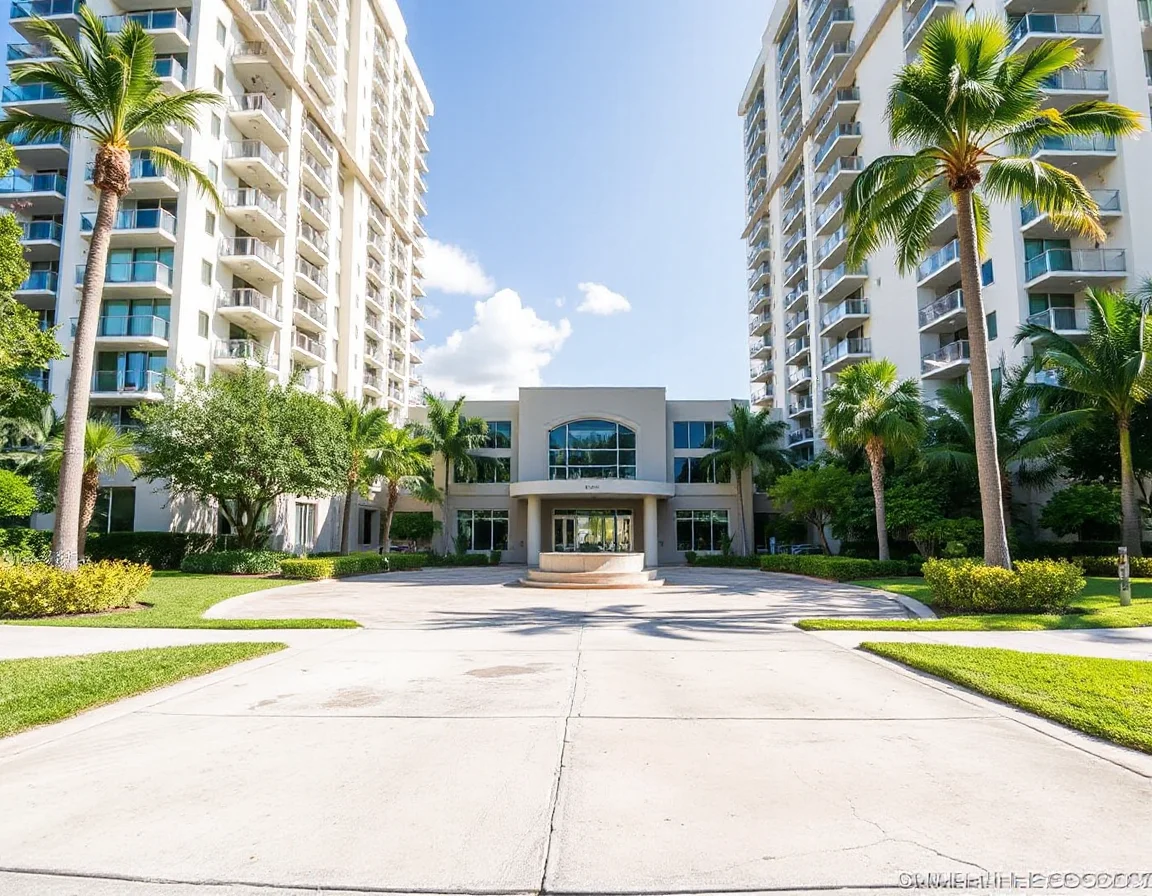
Association fees deserve especially close attention. In a full-service building, dues may fund items such as staffed entry areas, elevators, fitness spaces, pools, reserves, common-area insurance, water, trash service, or cable and internet packages. That bundle can be valuable, but it should be measured against the specific unit’s projected income and comparable properties nearby. Ask for the current budget, the most recent financial statements, reserve information, and a clear schedule of what the monthly fee includes.
Also look for costs that may not appear in the advertised fee. Some buildings charge separate move-in, move-out, application, parking, storage, amenity, or tenant registration fees. A special assessment can change the ownership math as well. Reviewing board meeting minutes and recent notices may reveal upcoming repairs, insurance changes, concrete work, elevator projects, or other capital needs that could affect monthly expenses or future resale conversations.
A condo with lower dues is not automatically the stronger investment. Compare what the fee covers, the building’s reserve position, and whether major maintenance has already been addressed or may be approaching.
Taxes should be modeled conservatively, particularly when a property changes ownership. A prior owner’s tax bill may not reflect a future assessment after a sale. Insurance costs can also move over time, so it is prudent to confirm the condominium association’s master-policy structure and understand which coverage remains the unit owner’s responsibility. A lender, insurance professional, and qualified tax adviser can help buyers build a more complete estimate.
Confirm Rental Rules Before You Calculate Income
Rentability in Brickell is highly building-specific. Two towers a few blocks apart may have very different lease minimums, approval procedures, occupancy limits, application fees, and restrictions on the number of times a unit can be leased in a year. Before projecting revenue, obtain the current condominium documents and verify the rules directly with the association or property management contact.
Start by identifying whether the building permits annual leases, shorter leases, or both. Many conventional condominium associations set minimum lease terms and may limit how often an owner can lease a unit. Some properties may have more flexible policies, while others are structured primarily around owner occupancy and longer-term leasing. Regulations, association rules, and enforcement practices can change, so marketing descriptions or older online listings should never be treated as the final authority.
Then assess the operating work involved. Even a long-term rental requires marketing, screening that follows all applicable fair housing laws, lease preparation, condition documentation, maintenance coordination, renewals, and accounting. Owners who plan to hire a manager should include the management fee in their analysis. Owners who plan to manage themselves should assign a realistic value to their time and maintain a reserve for vacancy, repairs, and turnover.
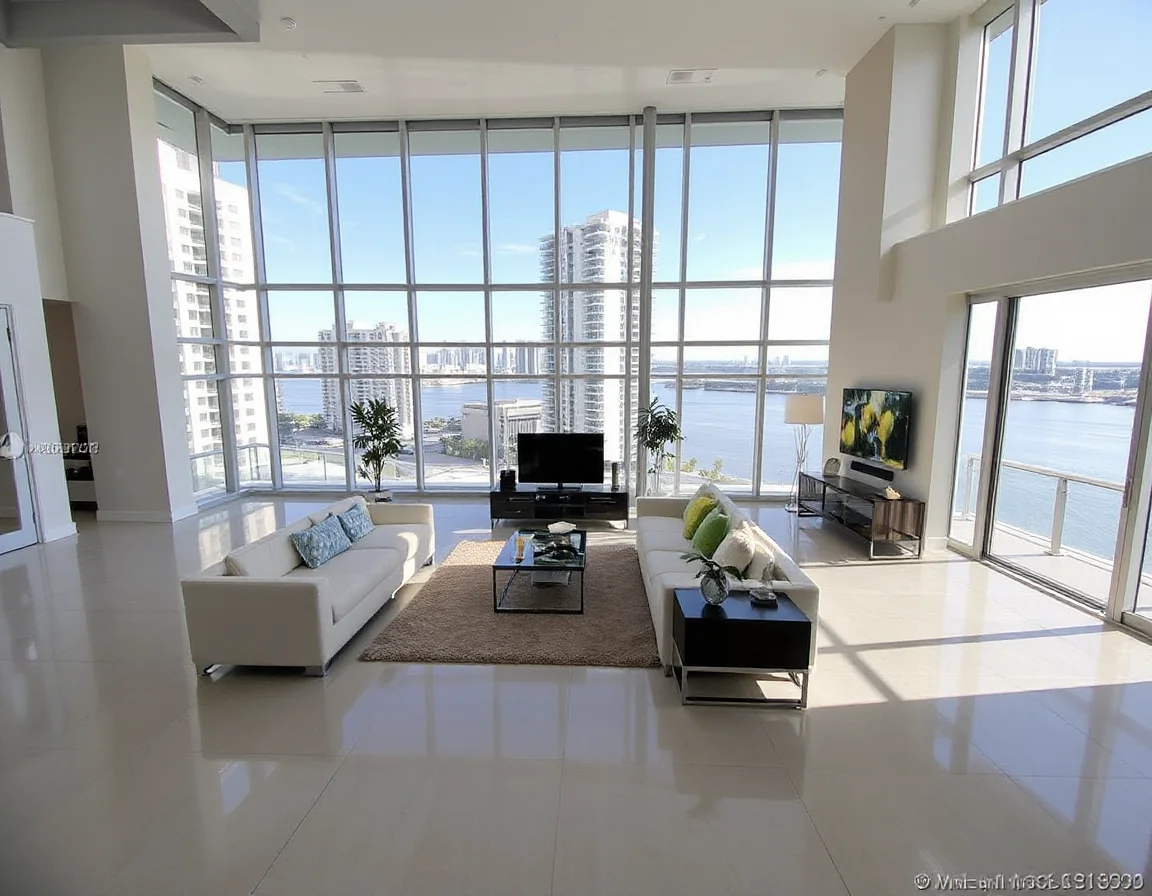
Comparable rentals matter more than optimistic projections. Review current active listings, recently leased units when available, days on market, size, condition, parking, furnishings, floor height, view orientation, and included utilities. A renovated two-bedroom with a balcony and an assigned parking space may compete in a different rental segment than a similarly sized unit with older finishes or limited storage. Use several comparable units rather than relying on one unusually high asking price.
Treat projected rent as a range, not a single number. A conservative vacancy allowance and a repair reserve can make the difference between an attractive spreadsheet and a durable ownership plan.
Evaluate the Building as Carefully as the Unit
A well-positioned unit can still face challenges if the building’s operations, maintenance planning, or financing profile are weak. Request the association’s governing documents, budget, financial statements, insurance information, rules and regulations, board minutes, and disclosure materials available for review. These documents help reveal how the community is managed and whether recurring expenses are supported by the current budget.
Pay attention to reserve funding, delinquency levels, pending litigation disclosures, and recent or planned special assessments. None of these items automatically means a purchase should stop, but each deserves context. For example, a completed restoration project may reduce uncertainty, while a large project with unresolved funding can affect both near-term costs and buyer demand at resale. A qualified real estate attorney can help interpret documents and deadlines that apply to a particular transaction.
Financing is another practical consideration. Lenders may review a condominium project’s budget, insurance, owner-occupancy ratio, commercial space, and litigation status. If financing options become narrower, the resale buyer pool may be affected. Buyers using a mortgage should discuss the building early with their lender rather than waiting until the final stages of underwriting.
It is also worth visiting at more than one time of day. Observe the arrival process, parking flow, elevator wait times, common-area upkeep, nearby construction activity, and the unit’s natural light. Brickell offers access to transit connections, waterfront paths, offices, cultural venues, parks, and dining destinations, but the daily experience varies by block, building orientation, and traffic patterns. Objective observations can help you decide whether the property aligns with the type of rental and resale demand you hope to reach.
Look for Features That Support Resale Value
Resale value is never guaranteed, but certain characteristics tend to remain easier for buyers to evaluate and compare. Functional layouts, usable outdoor space, assigned parking, storage, updated systems, durable finishes, natural light, and clear views can all influence a unit’s appeal. In Brickell, access to transit, waterfront areas, employment centers, and neighborhood amenities may also be part of the property’s long-term positioning.
Consider the unit’s competition inside its own building. If many nearly identical residences are likely to be listed at the same time, the details become more important: floor level, exposure, parking configuration, balcony depth, renovation quality, and maintenance history. A unit that photographs well can help marketing, but a unit with a practical layout and transparent operating costs can matter just as much when buyers compare options carefully.
Finally, separate lifestyle appeal from investment assumptions. A home can be enjoyable to own while still requiring a disciplined financial review. Model a few scenarios: a strong rental year, a more typical year, a period of vacancy, a fee increase, and a repair expense. If the purchase still works across a reasonable range of outcomes, the decision rests on a stronger foundation than appreciation projections alone.
Bring the Checklist to Every Showing
A Brickell condo purchase is best evaluated as both a residence and an operating asset. Ask for the documents early, verify rental policies in writing, compare realistic rental data, and include every recurring cost in your analysis. With the right due diligence, buyers can focus less on assumptions and more on the building, unit, and ownership plan that best fit their financial goals.