

Pricing a home well before it hits the market can shape everything that follows, from early showing activity to the strength of your final contract terms. In Parkland, the best list price is rarely about choosing the highest number possible; it is about matching current buyer expectations, recent comparable sales, and the condition of your property. A thoughtful pricing plan can help your listing gain momentum quickly instead of sitting long enough to invite reductions.
Start With Today’s Market, Not Last Year’s Headlines
Many sellers begin with a number they have heard from a neighbor, seen in an online estimate, or remembered from a stronger market cycle. That is understandable, but it can create a gap between expectation and actual demand. A successful pricing strategy begins with what buyers are seeing right now in Parkland: active competition, recently closed sales, time on market, and the features that are earning premiums in the current environment.
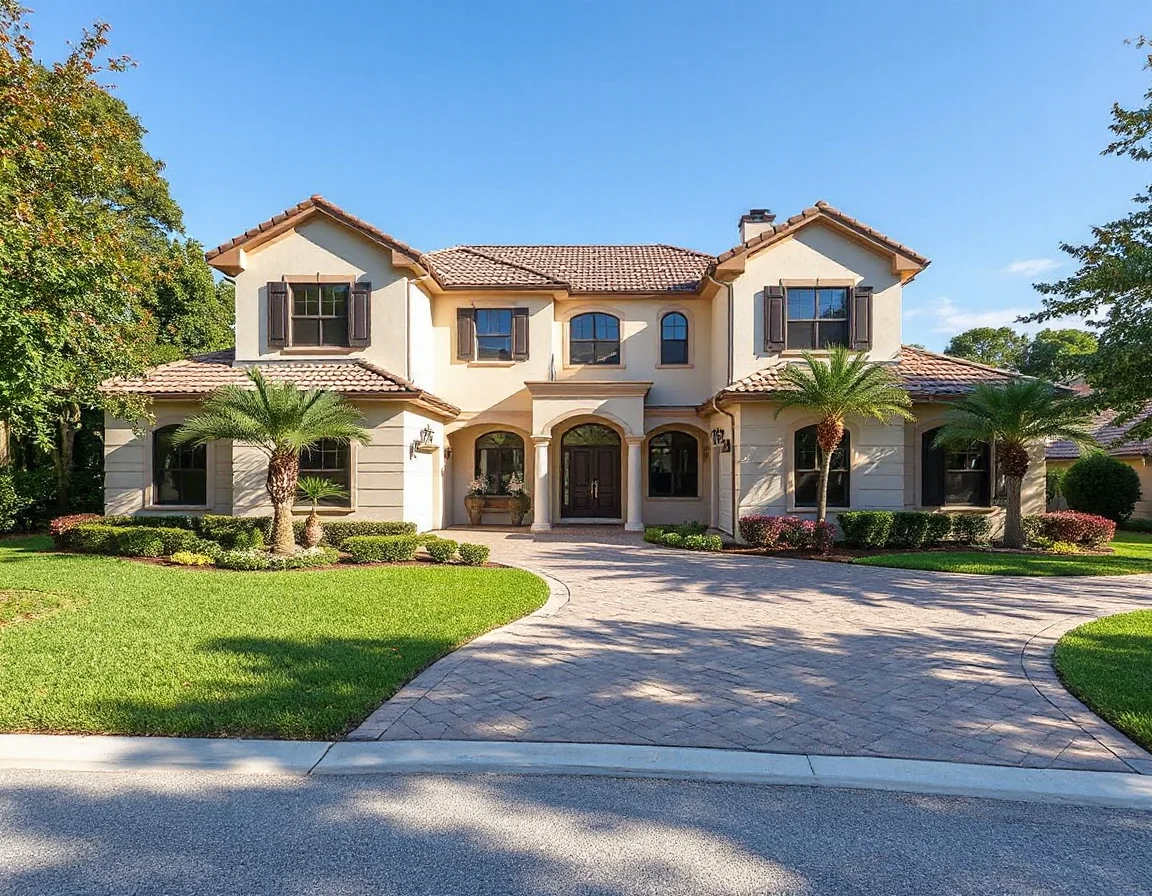
Recent sold properties matter more than aspirational asking prices. Closed sales show what buyers were actually willing to pay after inspections, negotiations, and appraisal review. Active listings still matter, but mostly as your direct competition. If several similar homes are already available, pricing above them without a clear reason can make your property look out of sync, even if it has strong features.
Condition also changes the equation more than many owners expect. Two homes with the same square footage and bedroom count can perform very differently if one has a renovated kitchen, newer roof, refreshed exterior paint, or more polished landscaping. Buyers often compare homes quickly online before they ever schedule a visit, so pricing has to reflect how your home presents in that first round of comparisons.
The first one to two weeks on market often bring the most attention. If the price misses the mark at launch, sellers may lose the urgency that fresh inventory naturally creates.
Use Comparable Sales the Right Way
A proper comparable market analysis is more than pulling three homes from the same ZIP code. The best comps are recent, similar in size, style, lot characteristics, condition, and location within Parkland. A gated community with one fee structure, lot size pattern, and amenity package may not compare cleanly with another, even when the homes look similar on paper.
Adjustments matter too. A pool, lake view, three-car garage, updated primary bath, or larger lot can affect value, but not always dollar-for-dollar with what the seller spent. The market decides the premium, not the renovation invoice. That is why pricing works best when features are evaluated through the lens of actual buyer behavior rather than replacement cost alone.
It is also smart to look at expired or withdrawn listings when possible. These can reveal where pricing may have been too ambitious for market conditions. When a home sits, buyers may assume something is wrong, even when the issue is simply price. Avoiding that pattern can protect your negotiating position later.
Another useful step is reviewing price bands. A home listed at $999,000 may attract different online search traffic than one priced just over $1,000,000. Small shifts can affect visibility, showing volume, and the pool of financed buyers who are searching within specific monthly payment ranges.
The strongest list price often lands inside a logical search bracket, not just at the highest possible target. Visibility in common online price filters can directly affect showing activity.
Balance Strategy With Presentation
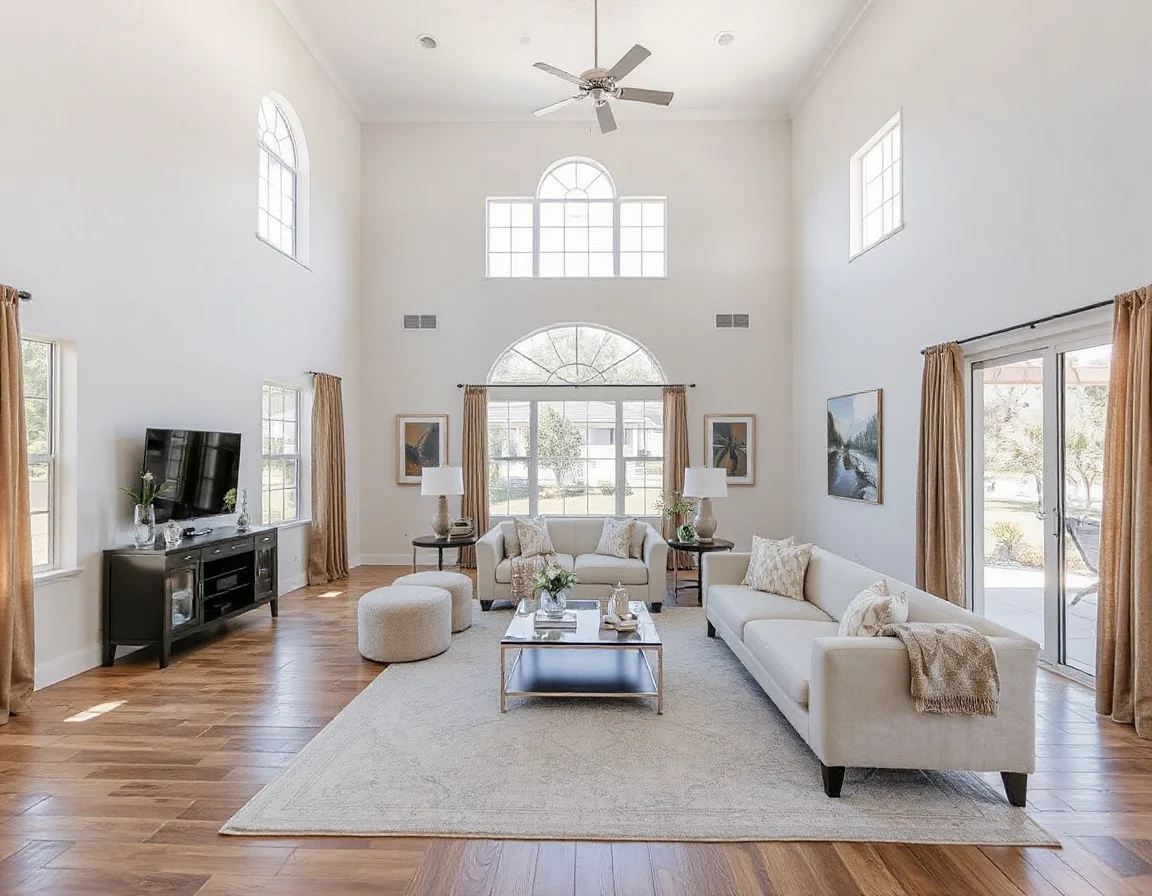
Pricing and presentation work together. Even a well-priced home can underperform if photography, staging, or repair work leaves buyers uncertain. Before listing, review the property the way a buyer would: curb appeal, paint touch-ups, lighting, flooring condition, storage appearance, and overall maintenance. Cleaner, brighter, more move-in-ready homes tend to justify stronger pricing because they reduce perceived future work.
This does not mean every seller needs a full renovation. In many cases, targeted improvements create the biggest return. Fresh paint, minor hardware updates, landscaping cleanup, professional cleaning, and better lighting can change how a property feels both online and in person. The goal is to remove distractions so the price feels supported by the home’s presentation.
Timing can also support pricing. Listing when buyer activity is steady and inventory is manageable may increase the odds of stronger early response. However, market timing should not override preparation. A home that launches at the right price and in strong condition is often better positioned than one rushed to market just to meet a date on the calendar.
Avoid the Common Overpricing Trap
Some sellers believe they can “test the market” with a higher list price and reduce later if needed. In practice, that approach can be costly. Homes that linger often accumulate days on market, invite lower offers, and create the impression that sellers may need to negotiate. Price reductions can help, but they do not always restore the momentum that a well-priced launch would have created from the start.

Overpricing can also create problems during appraisal. Even when a buyer is interested, a financed purchase may still need to align with market-supported value. If the agreed price comes in above appraisal, the transaction can require renegotiation, additional cash from the buyer, or in some cases a canceled contract. That is why strategic pricing is not only about attracting interest; it is also about supporting the deal all the way to closing.
A smarter approach is to price with purpose. That means understanding how your home compares, where demand is strongest, and what adjustments should be made for upgrades, lot features, and condition. In a market where buyers have access to detailed listing data and instant alerts, accuracy tends to outperform optimism.
Build a Pricing Plan That Helps You Negotiate From Strength
The right asking price should create interest without leaving value behind. In Parkland, sellers are usually best served by a pricing plan that blends comparable sales, current competition, property condition, and buyer search behavior. That combination can help generate stronger traffic early, more confident offers, and smoother negotiations after inspections and appraisal.
Before you list, it is worth asking a few direct questions: How does your home rank against current competition? Which recent sales are truly comparable? What repairs or updates would most improve market response? And which list price places the property in the strongest position online and in person? Clear answers to those questions can do more for your sale than simply aiming high.
When pricing is handled carefully from the beginning, sellers often gain more than attention. They gain leverage, clarity, and a better chance of moving from listing to closing with fewer surprises along the way.