
South Florida Buyer Guide: How to Navigate West Palm Beach to Coral Gables With Confidence
Buying Across South Florida Without Guesswork
South Florida offers a wide range of housing options, and the stretch from West Palm Beach to Coral Gables can feel both exciting and complex for buyers comparing locations, property types, and price points. One block may feature historic architecture and mature trees, while another leans contemporary with newer construction and amenity-driven communities. A confident purchase starts with understanding how each market functions, what your budget can realistically secure, and which property details matter most to your daily routine.

From a practical standpoint, this corridor includes distinct submarkets with very different inventory patterns. West Palm Beach often attracts attention for its mix of waterfront views, downtown-adjacent condos, and single-family neighborhoods with varied lot sizes. Moving south, buyers may encounter coastal communities, inland suburban developments, townhome enclaves, and established neighborhoods with architectural character. Coral Gables, in particular, is known for landscaped streets, civic design standards, and a housing stock that can range from classic homes to luxury residences near business and cultural destinations.
That variety is exactly why preparation matters. Before touring homes, it helps to separate needs from preferences. A buyer who prioritizes commute efficiency may focus on access to major roads, Brightline or Tri-Rail options, and proximity to work centers. Someone else may value walkable blocks near parks, dining, or waterfront paths. Rather than chasing every new listing, a clear framework makes comparisons easier and keeps decisions grounded in facts instead of momentum.
Financing is another piece that deserves early attention. In competitive parts of South Florida, a strong pre-approval can make a meaningful difference when a well-priced property reaches the market. Buyers should also plan for expenses beyond the purchase price, including insurance, taxes, association fees where applicable, inspections, and maintenance reserves. In coastal and near-coastal areas, understanding wind mitigation features, flood zone considerations, and building rules for condominiums can help avoid surprises later in the process.
How West Palm Beach and Coral Gables Differ in Feel and Inventory
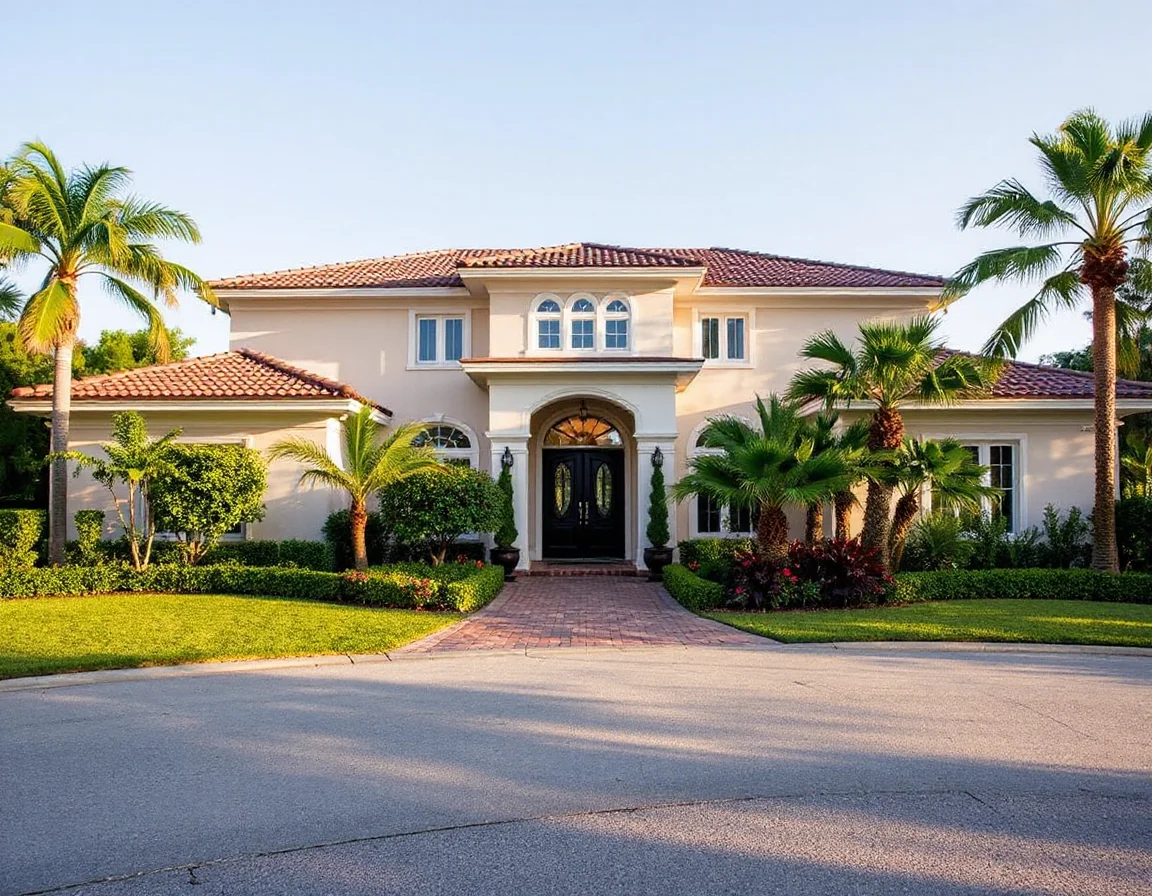
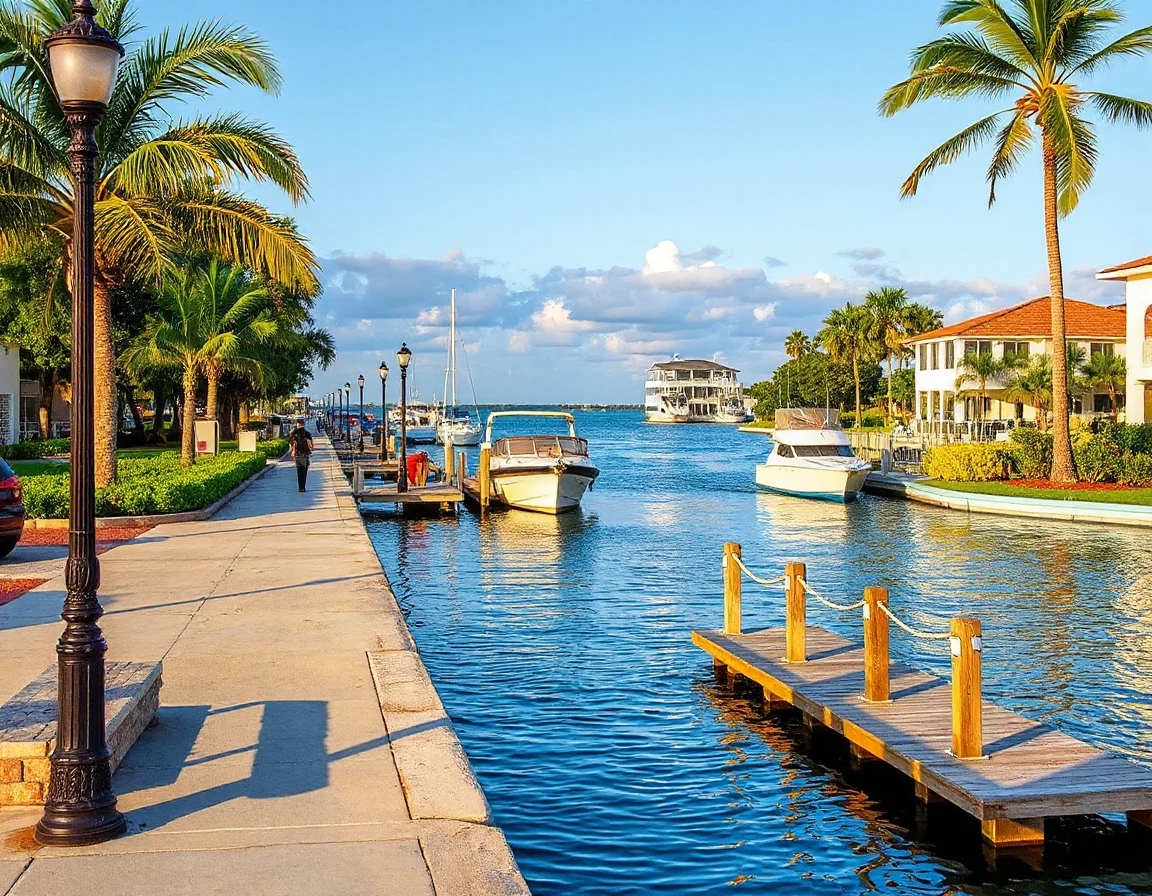
These two well-known destinations are often mentioned together, but they serve different buyer goals. West Palm Beach blends urban energy with waterfront access and a broad range of housing opportunities. Buyers can explore condos near downtown activity, established residential pockets, and neighborhoods farther west where larger homesites or newer layouts may be more common. The local appeal often includes arts venues, public green space, marinas, and easy connections to regional travel corridors.
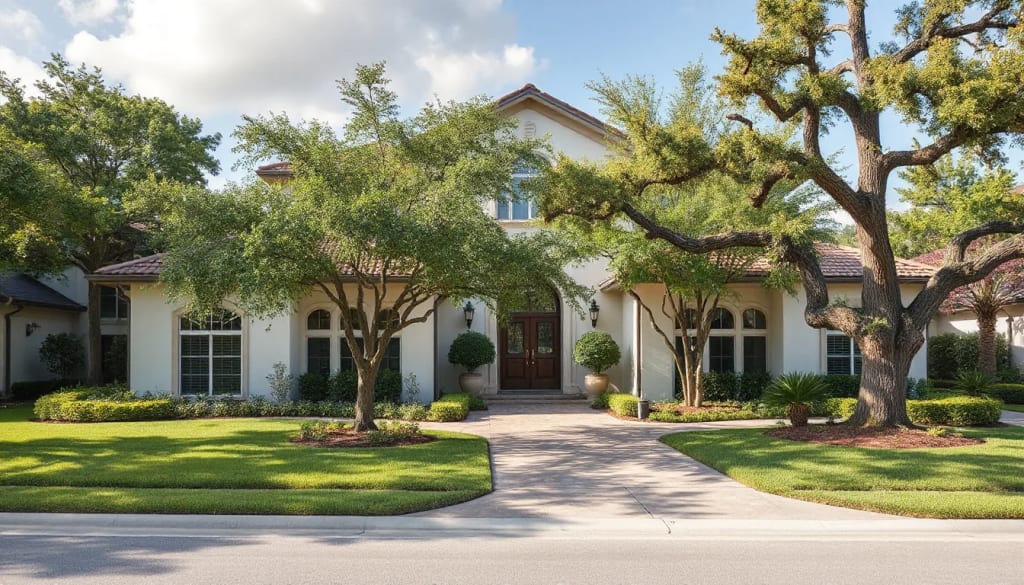
Coral Gables offers a different rhythm. The city is known for carefully maintained streetscapes, notable historic influence, and a strong architectural identity. Buyers often pay close attention to design details here: arcades, courtyards, tile roofs, mature landscaping, and homes with distinctive character. The area also benefits from proximity to major employment centers, universities, cultural institutions, and dining districts, which can support long-term demand. Inventory may be tighter, and pricing can reflect both location and design pedigree.
Between those endpoints, buyers will find many communities with their own appeal. Some areas offer golf course views, others focus on boating access, and many provide gated or planned environments with shared amenities. Condo purchasers may compare reserve studies, special assessments, building age, and renovation history. Single-family home buyers may be reviewing roof age, impact windows, lot drainage, pool condition, and outdoor living space. Across the region, successful decisions usually come from matching property details to lifestyle habits and ownership costs.
Schools are also part of many buyers' research, and the best approach is to review current public data directly from school districts and independent sources rather than relying on broad claims. Commute patterns, recreation access, and nearby amenities can be measured more objectively. Think in terms of actual drive times, sidewalks, green spaces, grocery access, cultural destinations, and routine convenience. This kind of neutral evaluation keeps the search focused and aligned with fair housing principles.
What to Watch for During the Search and Offer Process
Once you narrow the map, the next step is learning how fast homes are moving and how sellers are pricing in each micro-market. In some neighborhoods, updated properties may draw immediate attention, while homes needing repairs could linger and create room for negotiation. In others, location alone may keep demand high even if finishes are dated. A local strategy should consider days on market, recent comparable sales, seller concessions, and whether list prices are tracking above or below recent closed values.
Inspections are especially important in South Florida because climate and age can affect properties differently than in other regions. Buyers should evaluate roofs, HVAC systems, plumbing materials, electrical panels, moisture issues, and exterior wear from sun, humidity, and storms. For condominiums and townhomes, document review matters just as much as the unit itself. Budgets, reserves, pending maintenance, association rules, and recent capital projects can all shape the real cost of ownership.
Insurance and risk review should happen early, not after the contract is signed. Depending on the property and location, premiums may vary based on age, roof type, shutters or impact glass, elevation, and prior claims history. Asking informed questions up front can sharpen your budget and improve decision-making. If a home seems attractively priced but needs major updates to lower insurance costs, that should be part of your evaluation before submitting an offer.
There is also real value in paying attention to how a home lives, not just how it looks online. South Florida buyers often care about indoor-outdoor flow, shade, privacy, storage, parking, and storm-readiness features. A beautiful listing may still fall short if the floor plan feels tight, traffic noise is noticeable, or the association limits intended use. Touring with a checklist can help compare homes consistently across very different communities.
A Confident Path Forward With Local Guidance
The route from West Palm Beach to Coral Gables is not one market but a connected series of choices, each with its own pricing logic, architecture, and day-to-day advantages. That is why experienced guidance can be so useful. Buyers benefit from neighborhood insight, contract strategy, and a clear explanation of what is common, what is negotiable, and what deserves closer scrutiny. The goal is not simply to win a home, but to buy one that fits your priorities and performs well over time.
InvesTeam Realty helps buyers navigate that process with practical market knowledge and a steady approach. Whether you are comparing waterfront condos, historic homes, newer construction, or properties in amenity-rich communities, informed planning can turn a broad South Florida search into a focused and rewarding purchase. With the right preparation, a realistic budget, and trusted local insight, you can move through this diverse region with clarity and make your next home decision with confidence.